
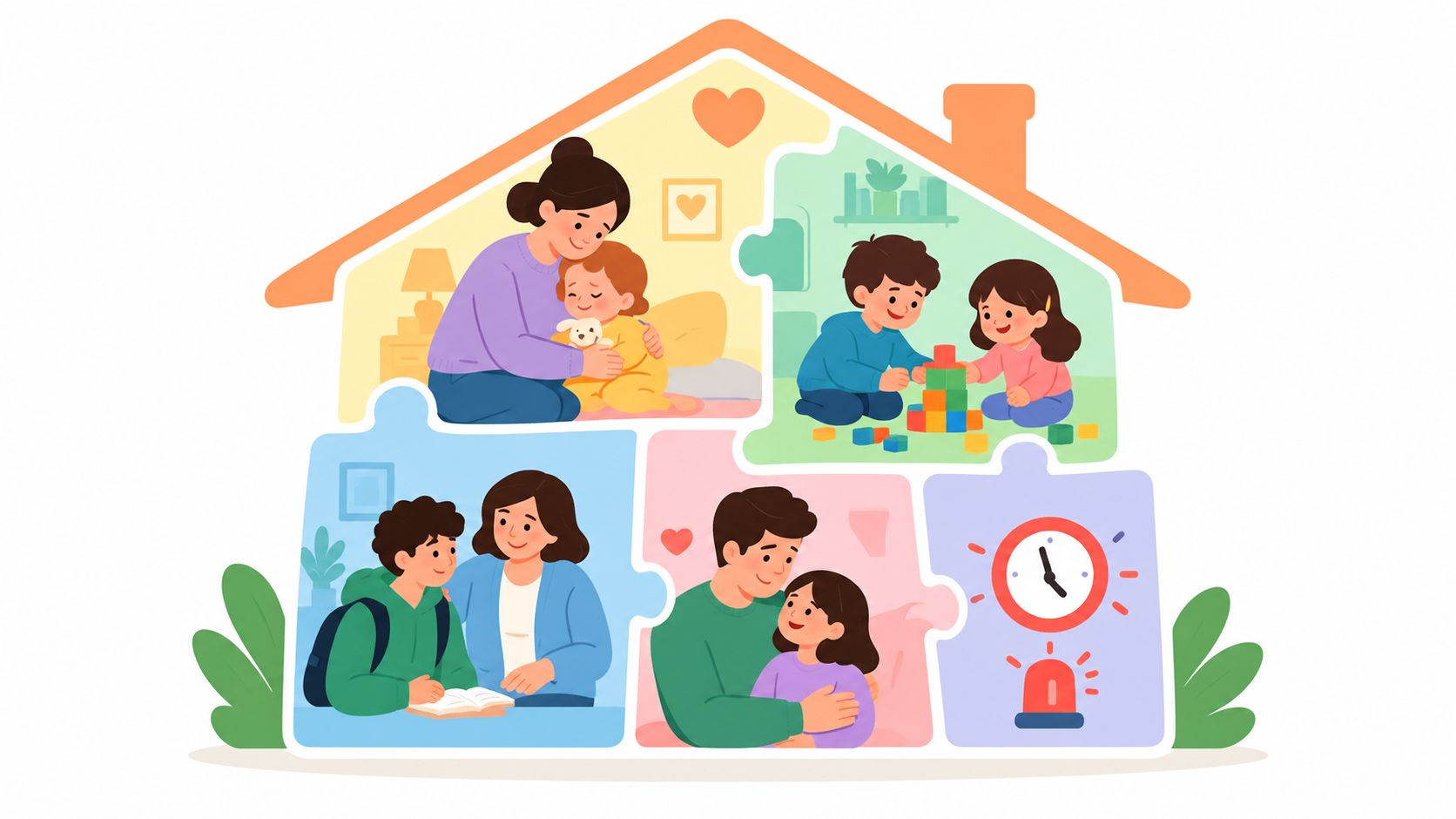
There are five main foster care types in England, short-term, long-term, respite, emergency, and parent-and-child, plus specialist options for siblings and teenagers. Each one is designed around a different child's need, not around what is simplest for adults.
A lot of people begin the fostering journey feeling exactly the same. The word fostering sounds clear enough on its own, then the labels start appearing and it suddenly feels like a system built on inside language.
Table of Contents
- What Are the Main Foster Care Types
- Comparing Core Placement Types at a Glance
- Short-Term and Long-Term Fostering Explained
- Respite, Emergency, and Parent-and-Child Placements
- Specialist Placements for Siblings and Teenagers
- Why Foster Care Type Matters for Your Area
- Taking Your Next Step Into Fostering
What Are the Main Foster Care Types
A family often begins by asking whether they need a bigger house, a certain age range, or a very specific background. The better question is simpler. Foster care types are different ways of meeting a child's need for safety, stability, family connection, or a short stay while plans are made.

That child-centred approach is why one home may be approved for more than one role. Government findings on fostering in England show that many fostering households offer more than one type of care, which reflects how often real situations overlap government findings on fostering in England. The main point is simple: the labels matter less than the child's need and the home's ability to meet it safely.
Organic Fostering's overview of fostering explains how approval works before placement types come into play. That helps because the process usually starts with the household, then moves to the kind of care it can offer well.
For a household in Greater Manchester, a spare room and steady routine might suit several routes, not just one. A home that can offer calm after-school structure may fit short-term care. Another that can stay steady through uncertainty may be a better match for emergency care. The right match is less about which type sounds easiest and more about which kind of need this home can meet consistently.
Practical rule: ask, “Which child need can this household meet well?” before asking, “Which type suits us best?”
The official guidance also recognises specialist forms such as kinship care, emergency, respite, parent-and-child, remand, fostering-for-adoption, and therapeutic care GOV.UK guidance on types of foster care. That range matters because a child needing calm after trauma, a teenager needing structure, and a sibling group needing to stay together all need different adults around them.
Comparing Core Placement Types at a Glance
The fastest way to make sense of foster care types is to compare the day-to-day shape of each one. Some placements are temporary holding spaces. Others are about rebuilding routine, and some are about giving a child a place that can become home.
| Foster Care Types Comparison | Typical Duration | Primary Purpose | Best For Carers Who |
|---|---|---|---|
| Short-term | Weeks to months | Provide a safe home while plans are made for the child's future | Can handle change, work with professionals, and support transitions |
| Long-term | Months to years, often through childhood | Offer stable, permanent family life when return home isn't possible | Want consistency, patience, and deep attachment over time |
| Respite | A few hours to short breaks | Give another foster family time to rest while keeping placements stable | Are calm, flexible, and comfortable with short, planned stays |
| Emergency | Immediate and unpredictable | Keep a child safe at very short notice | Can respond quickly and stay steady under pressure |
| Parent-and-child | Varies by assessment and need | Support a parent, often a young mother, to care safely for their baby | Are observant, non-judgemental, and good at modelling everyday parenting |
The table is only a starting point. A household may be approved for more than one category, and the approval often depends on training, assessment, and the kind of support network around the home. That's why a good match is never just about availability. It's about fit.
What the table leaves out
A placement can look “short” on paper and still carry a big emotional load. A child who has had several moves may need predictability more than anything else, even for a short stay. A long-term placement may also begin as a short-term one, because plans for a child can change as adults gather information and work out what is safe.
Some carers assume they must choose one lane and stay there. In reality, many homes move between roles as approval, confidence, and household circumstances change.
The comparison also explains why flexibility matters so much in the system. A carer who begins with short-term fostering might later support long-term care. Another might start with respite and discover that they're especially good at helping children settle after disruption. The labels describe the placement, but the person in the home matters just as much.
Short-Term and Long-Term Fostering Explained
A child arriving for short-term fostering often needs one clear thing first, a safe place while adults work out the next step. That next step may be a return home, another permanent arrangement, or, sometimes, a move into long-term fostering.
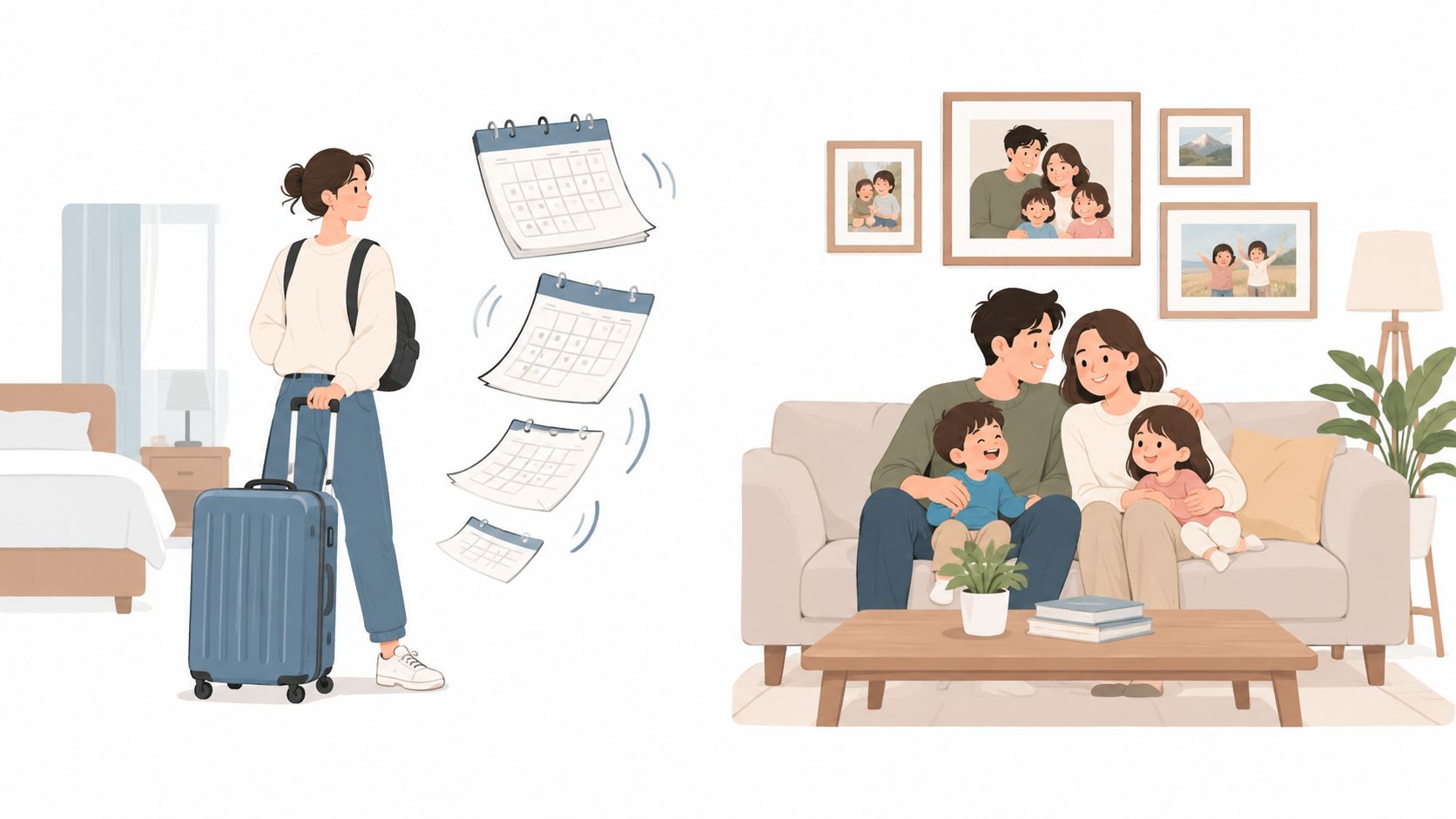
Short-term care suits households that can live with uncertainty and keep calm when plans change. Children usually want practical answers. How long will I stay? Can I keep my things together? Who decides what happens next? The honest answer is that adults keep reviewing the plan, because the child's safety comes first.
For readers in the North West, this kind of fostering can fit a home that stays organised and works closely with school, health, and social work teams. It can ask a lot emotionally, because goodbyes are part of the role. If you think short-term care might suit your household, Organic Fostering's short-term placements page explains what to expect week to week.
Long-term fostering serves children who cannot return home and need a steady family over time. The care is not fixed or dull. It gives the child one dependable base while they grow, settle, and work through identity, education, and relationships.
Why permanence matters
Children do better when the adults around them do not keep changing. A long-term carer becomes the familiar adult whose routines help the child stop bracing for the next move. That kind of continuity gives room for trust, and trust usually grows slowly.
Official figures from children looked after statistics show that mainstream households are commonly approved for non-permanent foster care (49%) or permanent foster care (40%) as primary care types in the 2022–2023 England data. Those figures show how much the system relies on planned short-to-medium-term care and on placements that can last.
Good long-term care feels ordinary on purpose. The child knows where their cup is, who signs the school trip form, and what happens after school. That steady rhythm often gives healing space to begin.
A simple way to separate the two is this. Short-term fostering says, “You're safe here while adults plan.” Long-term fostering says, “You're safe here, and this is your place for as long as you need it.” Both matter. They answer different parts of a child's story.
Respite, Emergency, and Parent-and-Child Placements
Some of the most important fostering roles are the least talked about. Respite, emergency, and parent-and-child placements keep the whole system from tipping over. They protect children, but they also protect the carers and parents who are already carrying a lot.
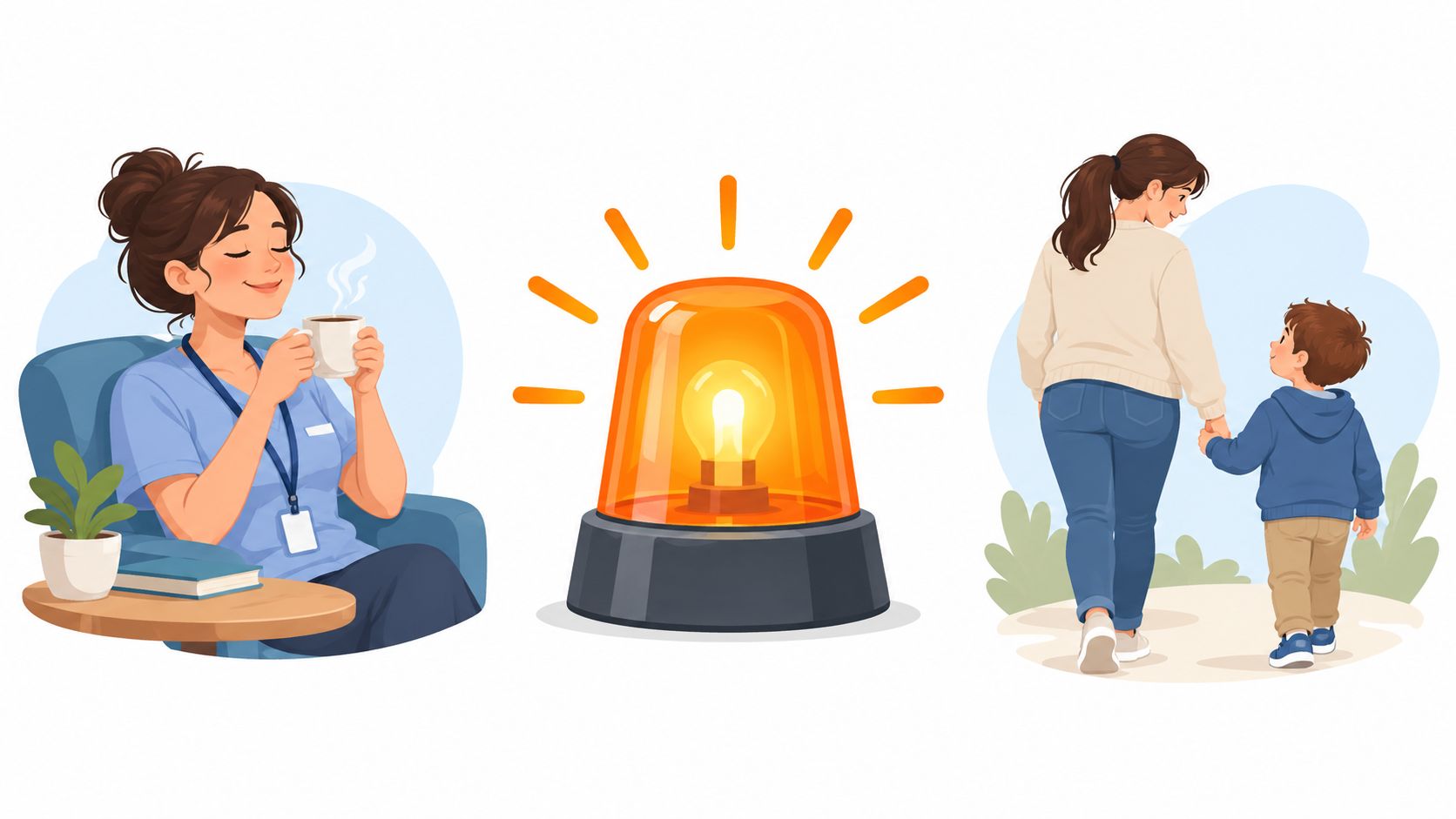
Respite care gives the household room to breathe
Respite care is a short, planned break for an existing foster placement. It can help when a foster carer needs rest, has a family commitment, or is at risk of burnout. That break matters because exhausted adults struggle to give steady care.
The child in respite still needs kindness, familiar routines, and clear handovers. They're not being “passed around”, they're being protected through a short pause that helps the wider placement stay strong. That is why respite is a support role, not a side note.
Emergency care keeps a child safe right away
Emergency placements are for urgent situations where a child needs immediate safety. The adult taking the call usually has little time to prepare, so calm matters as much as practical readiness. A spare room, a clear routine, and a steady tone can make a hard night feel less frightening.
Parent-and-child placements support both generations
Parent-and-child placements are more specialised. They support a parent, often a young mother, while also protecting the baby. The adult in the home isn't replacing the parent, they're helping them learn, practise, and stay safe while the relationship between parent and baby is preserved.
A household considering this type needs patience and clear boundaries. The work is part support, part observation, and part modelling. It can be very rewarding, but it also asks the carer to be consistent and non-judgemental when the parent is under pressure.
Organic Fostering explains these placement types and the steps into them on its emergency placements page, which is useful for readers who want to understand how urgent matching is managed in practice.
Specialist Placements for Siblings and Teenagers
A placement can change shape fast when the child is part of a sibling group or is living through the intensity of the teenage years. In both cases, the foster home has to fit the child's real need, not just the label on the referral.
For siblings, the first question is simple: can brothers and sisters stay together safely? For teenagers, the question is different: can the home offer freedom, routine, and clear limits without making everyday life feel like constant supervision?
Government evidence on children looked after in England found that, at 31 March 2024, 52% of children placed outside their local authority boundary were in foster care with other foster carers, while 12% were in foster care with a relative or friend children looked after, placement location 2024. That matters because distance affects school, friendships, and contact with family. A placement is not just a bed, it shapes the child's week, their travel, and how often familiar people can stay in touch.
Sibling groups need continuity
Keeping brothers and sisters together protects shared memory and helps children feel less alone. One child may be the confident one, another the quiet one, but they often carry the same history, and that shared bond can steady both of them.
For guidance on keeping brothers and sisters together, see Organic Fostering's fostering siblings page.
The government evidence base also shows a gap between the need for sibling placements and the homes available, with 13% of siblings identified as needing to be placed together still placed separately. A carer willing to take a sibling group can make a child's experience of care feel much less fractured.
Teenagers need structure without shutting down identity
Teenagers often come with strong views, protective habits, and a clear need to be treated with respect. Good fostering for teenagers gives them dependable routines, clear expectations, and enough room to keep becoming themselves.
That can include faith, language, heritage, community ties, and everyday customs. Those details help a young person feel recognised, especially when separation from birth family has already taken away so much that feels familiar.
Matching is not just about logistics. It is also about belonging, especially when a child is already carrying grief, loyalty, or uncertainty.
Specialist support matters because these placements can be demanding. Carers need preparation, regular supervision, and steady guidance so they are not left trying to solve everything alone.
Why Foster Care Type Matters for Your Area
Foster care needs are not spread evenly, and the shortage in England makes that impossible to ignore. Approved foster carers fell from 63,890 in 2021 to 56,345 in March 2025, while the government said there were almost 150,000 enquiries in 2024–25 but only 7,365 newly approved foster carers BBC report on the shortage. That gap puts pressure on every type of placement.
The most useful question is not “Which type is best?” It's “Which type is hardest to find for the children who need it?” In many places, mainstream care is under the most strain, and the figures on non-permanent and permanent approval show how much of the system depends on ordinary family homes being willing to step in.
For families in Manchester and across the North West, local matching often has to balance sibling needs, school continuity, identity, and the reality of where approved carers live. A household that can offer flexibility may help reduce distance from a child's home area, which can matter a great deal for contact, routines, and emotional steadiness.
The shortage also changes what “helping” can look like. A family might begin thinking they want one type of placement, then realise that being open to another type could make them more useful where need is greatest. That isn't about lowering standards. It's about matching actual children to actual homes.
A flexible household often becomes a more usable household. In a stretched system, that can mean a child gets family-based care instead of waiting longer or moving into a less suitable setting.
Taking Your Next Step Into Fostering
The first practical step is an informal conversation with a fostering agency. That conversation should feel like a two-way check, not a sales pitch. A good agency will talk through eligibility, household setup, checks, training, and what kind of placement might suit the home.
Basic expectations usually include a spare bedroom, the right to work in the UK, time for training, and a willingness to complete assessments and references. From there, the process usually moves through application, visits, preparation, approval, and matching. It helps to ask about support for foster care allowances too, because budgeting should be clear before any placement begins.
For readers who want a step-by-step route, Organic Fostering sets out the journey to becoming a foster carer, which is useful for understanding how assessment and approval are structured. That kind of guidance is especially helpful for families considering a transfer from another agency, because continuity and support matter just as much as the next placement.
The most important thing to remember is that no one has to know everything before making contact. The first conversation is for questions, not commitments.
Organic Fostering supports foster families across Manchester and the North West with assessment, training, placement matching, and ongoing support. If this guide has helped clarify which foster care types might fit a home, a calm, no-obligation conversation could be the next sensible step, and Organic Fostering is a good place to start.