
Single foster carers are not a side note in England's fostering system. In 2019/20, they made up 18% of approved foster carers yet cared for around 25% of children in foster care, about 14,500 children across roughly 13,100 single-carer households (GOV.UK). That gap matters, because it shows solo households are carrying a bigger share of placements than their numbers suggest.
For anyone thinking about becoming a single foster carer, that is the real question. Not whether one adult can foster, but what support, matching and financial setup lets one adult succeed with the children agencies need most. In today's market, that often means teenagers, sibling groups, emergency placements or children with more complex needs, which makes the quality of support just as important as the decision to apply.
Table of Contents
- The Hidden Capacity Single Foster Carers Provide
- Eligibility Requirements and Assessment Process
- Why Cultural Matching Matters for Solo Carers
- Support Networks and Out-of-Hours Guidance
- Common Misconceptions About Single Foster Care
- Fostering Allowances and Tax Relief Explained
- What Makes a Single Foster Carer Success
The Hidden Capacity Single Foster Carers Provide
The strongest argument for single fostering is already in the official numbers. Single carers are a minority of the workforce, but they shoulder a much larger share of placements, which means they are doing essential capacity work rather than a niche form of fostering (GOV.UK). That changes the conversation. The issue is not whether single people belong in fostering, but how the system supports the households that are already holding a significant part of it together.

Capacity depends on more than household size
A solo household can be a strong placement option because it often brings steadiness, routine and clearer day-to-day decision-making. That can be especially useful when a child has had repeated changes and needs an adult who can provide predictable care without split messages or competing routines. It also explains why agencies and local authorities keep relying on single carers, even when the wider fostering market is under pressure.
By March 2025, England had 56,345 approved mainstream foster carers, down 1% from the previous year and 12% below 2021, which shows the system is still under strain (The Fostering Network). In that context, a single foster carer is not filling a gap at the edge of the system, they're part of the core capacity. Agencies that recruit and support solo carers well are better placed to keep children in stable homes.
Practical rule: if a placement plan depends on one adult, the support model has to be built around that reality from day one.
The age profile also matters. Official figures show 70% of single carers were aged 50+, compared with 65% in two-carer households, and single carers aged 50+ accounted for 19% of all children placed (GOV.UK). That points to an experienced group doing important work, often with children who need continuity more than complexity.
Eligibility Requirements and Assessment Process
The starting point is simpler than many people expect. A single applicant needs the same core basics as any foster carer, a spare bedroom, the right to work in the UK, enough time and flexibility, and the ability to complete checks, references and training. Relationship status is not the barrier that many assume it is, and agencies should judge the home, not the label on the household.
What the assessment team is really checking
The assessment is not about finding a perfect person. It is about understanding whether the home can safely and consistently meet a child's needs, whether the applicant understands safeguarding, and whether the practical setup can work under pressure. Questions usually focus on daily routines, childcare cover, work commitments, motivation, family support, and how the household would handle school runs, illness, contact arrangements and crisis moments.
The process is usually straightforward in principle, even if it feels formal from the outside. It tends to move through enquiry, home visit, application, preparation training, full assessment, panel and approval. An applicant should expect checks and references, but also honest discussion about what kind of child or placement would fit best, because suitability is not the same as being willing.
A helpful way to prepare is to gather the basics early.
- Identity and right-to-work documents: agencies need to verify who the applicant is and whether they can foster in the UK.
- Household information: the assessor needs to understand the space available, daily rhythms and who else lives in the home.
- Employment and time commitments: the team will want a realistic picture of working patterns, leave and flexibility.
- Support map: friends, relatives, neighbours and backup care arrangements can all matter in day-to-day fostering.
Organic Fostering sets out its assessment pathway in a clear way on its fostering assessments page, which is useful for people who want to understand the route before making an enquiry.
Why Cultural Matching Matters for Solo Carers
For a single foster carer, matching is never just about whether a child can fit into the spare room. It is also about whether the adult can carry the emotional and practical load of helping a child feel seen, respected and safe. That is why cultural, faith, language and identity needs matter so much, especially when there is only one adult in the home.
Identity needs are part of placement stability
A child does better when their background is treated as part of the placement plan, not as an afterthought. If culture, faith or language are relevant, a thoughtful match can reduce friction in day-to-day care, because the child does not have to translate themselves at home as well as everywhere else. For solo carers, that matters even more, because there is no second adult to absorb the strain when a question around identity becomes sensitive or emotionally loaded.
A good match is not about matching every detail perfectly. It is about respect, consistency and the confidence to manage questions openly when a child's needs are different from the carer's own experience. That often means thinking beyond immediate placement availability and asking whether the carer can support the child's identity over time, including relationships, routines and contact with birth family where that is part of the plan.
When matching is done well, a child does not have to choose between belonging and being themselves.
The practical side is straightforward. A solo household needs placements that the adult can support without burning out, and the agency needs to take that seriously at referral stage. Organic Fostering's referrals and matching page is a sensible place to look at how identity, relationships and practical needs can sit together in placement decisions.
Support Networks and Out-of-Hours Guidance
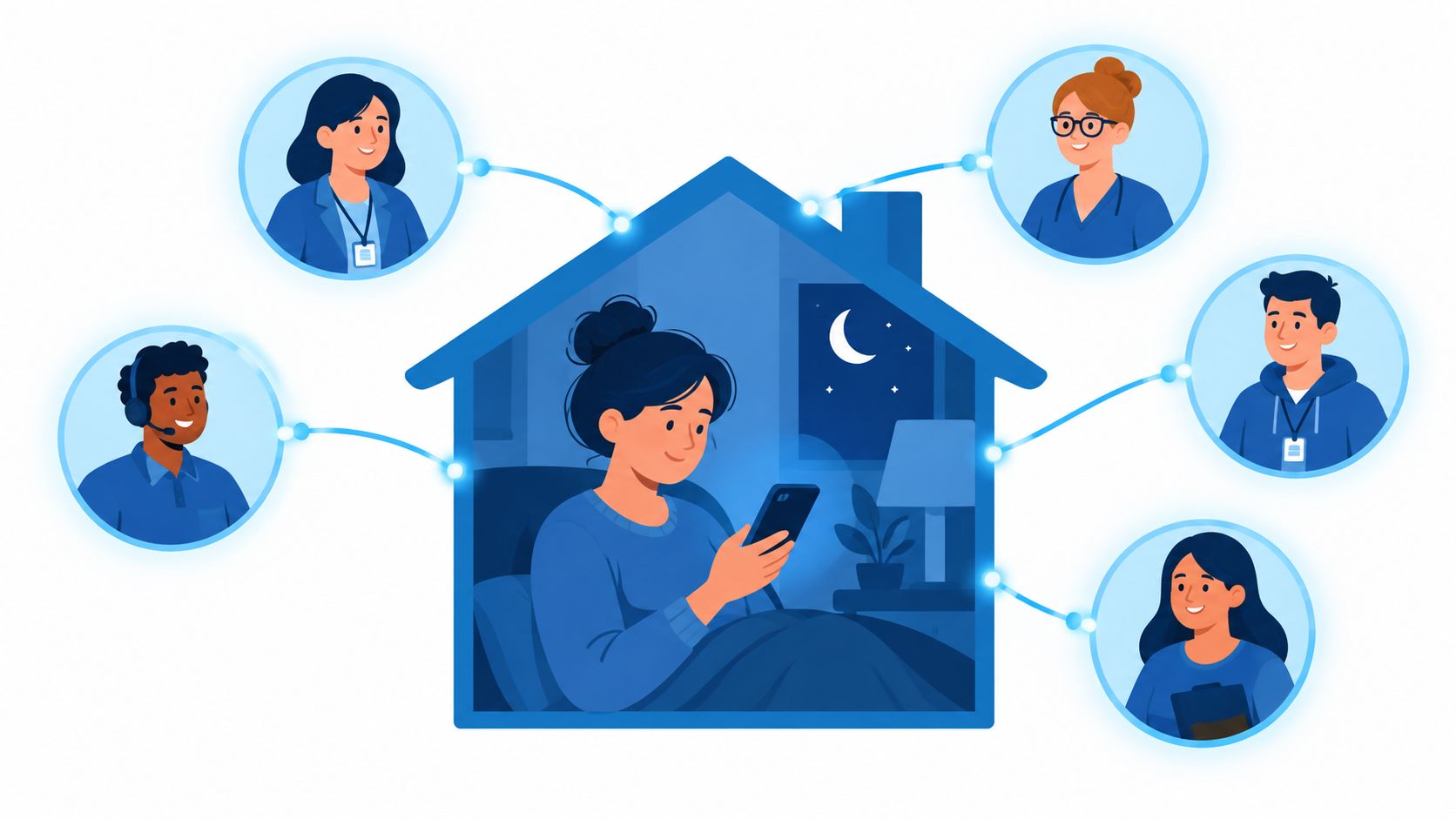
The biggest fear for many single applicants is not approval, it is being left alone when things go wrong. That concern is understandable, because a two-adult household can share the load in a way one person cannot. But a single foster carer does not succeed by doing everything alone, they succeed when support is set up to be reachable, specific and usable.
Single-carer support has to work differently
A two-carer household can hand over when one adult is exhausted, unwell or emotionally maxed out. A solo household has to plan around the fact that there is no internal cover, which makes out-of-hours advice and supervising social worker support essential. The practical difference is huge when a child wakes in distress, a contact arrangement changes, or behaviour escalates after a difficult day.
That is why the support structure needs to be clear before a placement starts. Families in Manchester and across the North West usually need guidance that is not buried in paperwork, especially at evenings and weekends when real life does not wait for office hours. The best support feels calm and specific, not generic. It helps with decisions, not just reassurance.
A strong support network usually includes:
- A supervising social worker who knows the household and can give ongoing guidance.
- Out-of-hours advice for situations that can't wait until morning.
- Peer support from other carers, because practical tips from people living the same reality are often more useful than theory.
- A realistic respite plan, so the carer is not expected to run on empty.
Organic Fostering's support page is relevant here because the question is not whether help exists, but whether it is easy to reach when it matters most. In solo fostering, that difference can decide whether a placement stabilises or becomes unworkable.
Common Misconceptions About Single Foster Care
The first myth is that a single person cannot provide stability. In practice, stability comes from routines, attachment, boundaries and follow-through, not from the number of adults in the building. A child who knows what happens next, who can ask for help and who is met consistently will often settle better than a child placed in a home that looks ideal on paper but lacks emotional availability.
The second myth is that solo carers only take young children. That assumption misses what agencies actually need. Teenagers, sibling groups and children with higher needs often benefit from a steady adult who can give focused attention without the distraction of a larger household, as long as the match and support are realistic.
The third myth is that fostering alone must be financially impossible. That is not how the system is designed. The allowance and tax rules are meant to support care, though they still require careful budgeting and record-keeping, especially if fostering sits alongside other work or benefits.
For readers who want a wider legal context on single-parent family structures, the Law Office of Bryan Fagan PLLC on marital status and family law is a useful reminder that being unmarried does not automatically rule someone out of caring responsibilities. The legal principles are different in each jurisdiction, but the broader point holds, relationship status is not the same as caregiving ability.
Fostering Allowances and Tax Relief Explained
Money should be clear before anyone applies, because good intentions don't pay household bills. In England, foster carers are covered by Qualifying Care Relief, which gives a fixed annual exemption plus weekly relief per child. GOV.UK states that households do not pay tax on the first £20,440 earned from fostering in a tax year, and on top of that get weekly tax relief of £435 per child under 11 and £515 per child aged 11 or over (GOV.UK).
How the relief works in practice
The relief is not a flat wage. It is a tax shield that sits around fostering income, so the amount a household keeps depends on the placement pattern, the age of the child or children, and the weeks they are in placement. GOV.UK also says carers usually do not pay tax on fostering earnings even if they exceed £20,440, because the weekly relief can still cover them (GOV.UK). For a single foster carer, that means budgeting has to be based on the actual placement mix, not on a rough guess.
HMRC's current guidance uses a slightly different published figure for the fixed annual qualifying amount, £19,690 per household, plus weekly amounts of £415 for each child under 11 and £495 for each child aged 11 or over, with tax calculated on receipts above the qualifying amount (HMRC). That is why carers need to check the current guidance before filing and keep good records of payments, expenses and placement dates.
Financial rule: if fostering income is mixed with other work, the paperwork needs to be tidy from the first placement week.
Organic Fostering's tax allowance page is worth reviewing because it helps carers understand the allowance side before making a decision. A separate explanation of Family Xchange rewards system may also be useful as a general budgeting reference, though any fostering household still needs to base decisions on its own payment policy and current tax rules.
What Makes a Single Foster Carer Success
Success as a single foster carer is rarely about bravado. It is about matching the right placements, using support early, keeping paperwork tidy and choosing an agency that treats solo households as a genuine part of capacity, not as a backup option. The households that tend to do well are the ones that are honest about limits, clear about routines and willing to ask for help before a problem becomes a crisis.
The best setups make room for the realities of solo decision-making. That means placements are chosen carefully, out-of-hours advice is usable, training is practical and respite is planned. It also means cultural identity, faith, language and existing relationships are taken seriously during matching, because those details often determine whether a placement feels settled or strained.
The current market makes this even more important. With approved foster carer numbers under pressure and single-carer households already carrying a substantial share of placements, agencies need to recruit and support solo carers well if they want to preserve capacity (The Fostering Network). That is especially true for teenagers, sibling groups and children with higher needs, where the quality of support often matters more than the number of adults in the home.
A single foster carer can absolutely provide a strong, stable home. The true test is whether the match, the support and the financial planning are built to last.
If fostering is on your mind, Organic Fostering can talk through the practical side, from eligibility and assessment to matching, support and allowances. For a calm, no-obligation conversation about becoming a foster carer or transferring agency, visit Organic Fostering and make an enquiry when the time feels right.
Enhanced by Outrank