

A spare bedroom, a stable home and a strong wish to help a child can prompt an important question: can a single person become a foster carer? The answer in England is yes, but successful fostering as a single foster parent depends on more than relationship status. Agencies need to understand how an applicant will manage daily care, emergencies, appointments, contact arrangements and the emotional demands of the role with dependable support around them.
For someone considering fostering after a change in family life, career or living arrangements, the process can feel both exciting and difficult to judge from the outside. The guidance is clear in some areas, while individual fostering services may apply additional practical expectations. This guide explains the difference, using England-wide requirements and the realities that single applicants usually explore during assessment.
Table of Contents
- What It Really Means to Be a Single Foster Parent
- Who Can Foster as a Single Person in England
- How the Fostering Assessment Works for Single Applicants
- Building the Support Network You'll Be Asked About
- Fostering Allowances and What a Single Carer Can Expect
- Placement Types That Often Suit a Single Carer
- Finding Local Support in Manchester and the North West
- Next Steps and Common Questions for Single Applicants
What It Really Means to Be a Single Foster Parent
A teacher in her forties has recently moved into a smaller flat after her children left home. The spare room is ready, her working life is settled and she has spent years caring for children. Fostering feels like a natural next step, but one concern keeps returning: whether a child will need more than one adult in the home.
That concern deserves an honest answer. Fostering can involve disrupted sleep, school meetings, health appointments, supervised or supported family contact, training and difficult conversations. A single foster parent carries the main day-to-day responsibility, so the household needs dependable arrangements for illness, emergencies and moments when practical help is needed.

A recognised route into fostering
Single-carer households are an established part of fostering in England. Ofsted recorded 45,370 fostering households and 76,640 foster carers as at 31 March 2021, with single-carer households making up 31% of all fostering households. The same report said that two-carer households remained the majority, and that this pattern had been unchanged since 2015–16. These figures are set out in the official fostering statistics for England.
Survey evidence provides a similar picture. The Fostering Network found that 26.0% of surveyed foster carers fostered on their own, rising to 27.4% in England, while 73.2% fostered with a partner or another adult. The figures come from the State of the Nations' Foster Care report, and they show that single fostering is not an unusual route into the role.
Agencies may provide shared-care arrangements, respite, training and out-of-hours advice, but those services don't remove the need for preparation. The right question isn't whether a single applicant can do everything alone. It's whether the applicant can provide consistent care while using a safe, realistic support system.
Who Can Foster as a Single Person in England
England's national guidance doesn't require a foster carer to be married or in a relationship. A single person, someone who is divorced, someone in a civil partnership and someone who is cohabiting can all be considered. The assessment focuses on the applicant's capacity to care for a child, not on a particular family structure.
The guidance on who can foster confirms that single applicants should be able to show a reliable support network. In practical terms, that means an agency will want to understand who can help if the carer becomes ill, faces an urgent appointment or needs planned respite.
The national starting point
A person can foster in England if they meet the core conditions below. The official route into fostering explains the national requirements and the assessment that follows them.
| Requirement | National rule | Agency may also ask |
|---|---|---|
| Age | The applicant must be at least 18. | Most fostering services require applicants to be at least 21. |
| Right to work | The applicant needs the right to work in the UK. | The agency may check immigration and employment documents in detail. |
| Home | A spare bedroom is usually needed, and it normally can't be shared with another child or adult. | The service may assess room size, safety, location and suitability for the proposed placement. |
| Health | The applicant must be able to care for a child or young person, with health considered as part of the assessment. | The agency may request medical information and explore stamina, emotional wellbeing and ongoing support. |
| Relationship status | Being single isn't a disqualification. | The agency will explore the applicant's household, relationships and support network. |
| Assessment | The applicant must complete and pass the fostering assessment. | The service may ask about driving, work flexibility, childcare experience and availability. |
There's no upper age limit set in the national law described in the guidance. Agencies still need to make a sensible decision about health, stamina and the likely longevity of a placement. A rented home isn't automatically excluded either, although the property must provide a safe and suitable living arrangement.
Further practical detail is available in the guide to becoming a foster carer. Agency expectations can differ, particularly around working hours, driving, experience with children and the type of placement considered suitable.
How the Fostering Assessment Works for Single Applicants
The fostering assessment is designed to test whether a household can meet a child's needs safely and consistently. It isn't a test of whether an applicant has a perfect personal history. For a single applicant, it does require a clear account of how ordinary routines and unexpected problems will be managed without a partner in the home.
Two stages with different purposes
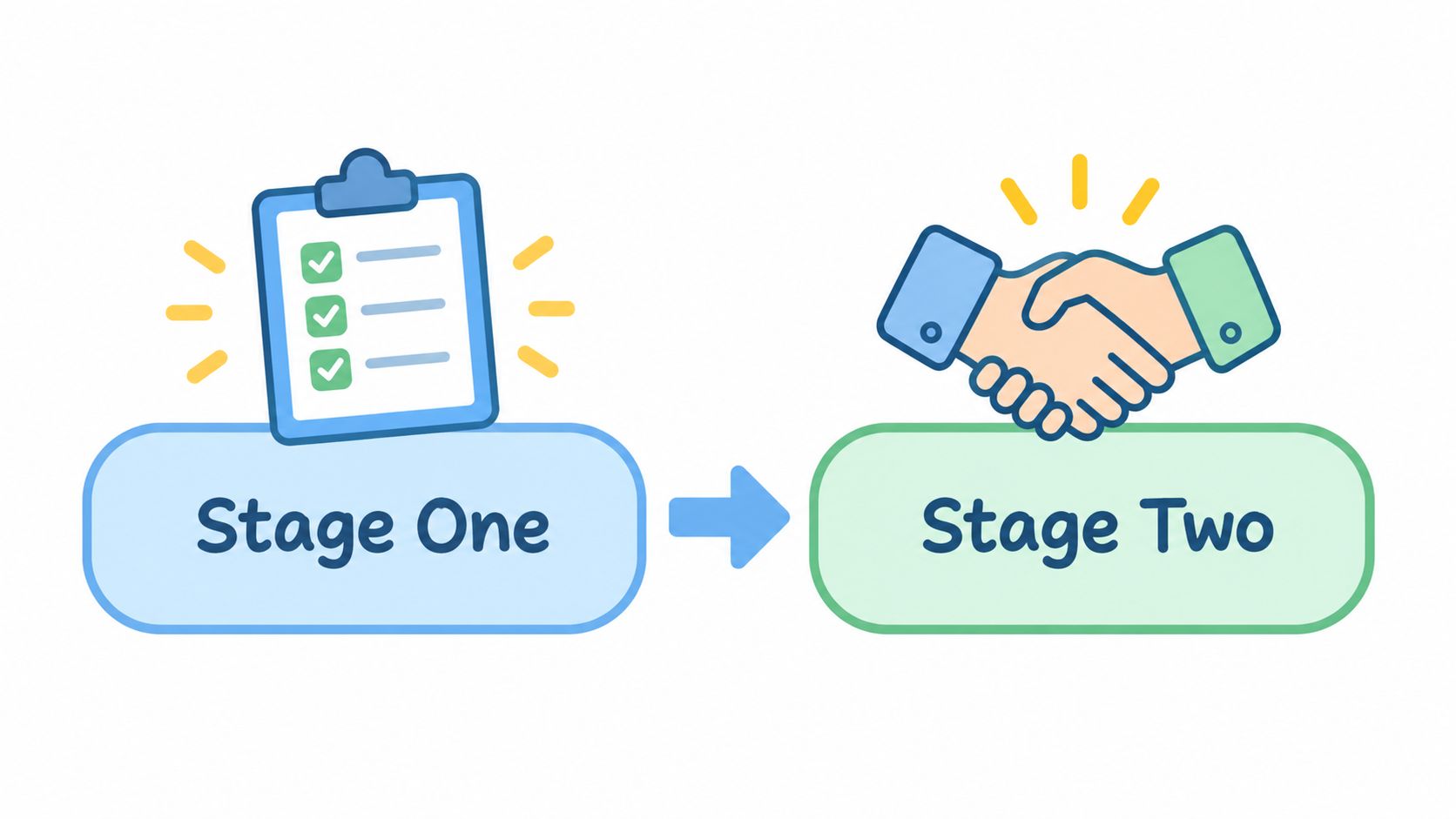
Stage One involves initial checks and information gathering. This can include identity documents, the right to work, health information, criminal record checks, references and an early discussion about the home. The statutory guidance says Stage One information should be decided within 10 working days of all required information being received. A concern about safety, eligibility or the ability to meet basic requirements can prevent the process from moving forward.
Stage Two is the full assessment, often known as the Form F assessment. A social worker explores the applicant's history, relationships, parenting or caring experience, understanding of safeguarding and ability to support a child's development. The applicant may also need to complete training, provide detailed references and demonstrate how the household will work in practice.
The statutory framework says the full assessment should be completed in time for the fostering panel to make a recommendation within eight months of the applicant first applying. The timetable can vary between cases because checks, references, health information and household circumstances don't all progress at the same speed. The statutory timescale is set out in the assessment and approval guidance for foster carers.
What single applicants need to evidence
A social worker will usually ask how the applicant will handle:
- Morning and evening routines: school preparation, meals, bedtime and travel arrangements.
- Unexpected changes: illness, cancelled transport, school calls or an urgent meeting.
- Professional commitments: contact with social workers, teachers, health professionals and birth family members.
- Time away from home: work, study, holidays and personal commitments.
- Practical backup: a named person who can provide help when agreed arrangements fall through.
A written weekly routine can make these discussions easier. References should be considered early, and previous relationships should be discussed openly rather than presented as irrelevant. Applicants can find more detail about the fostering assessment process before starting an enquiry.
Practical rule: A workable plan is more convincing than a promise to cope with everything.
Building the Support Network You'll Be Asked About
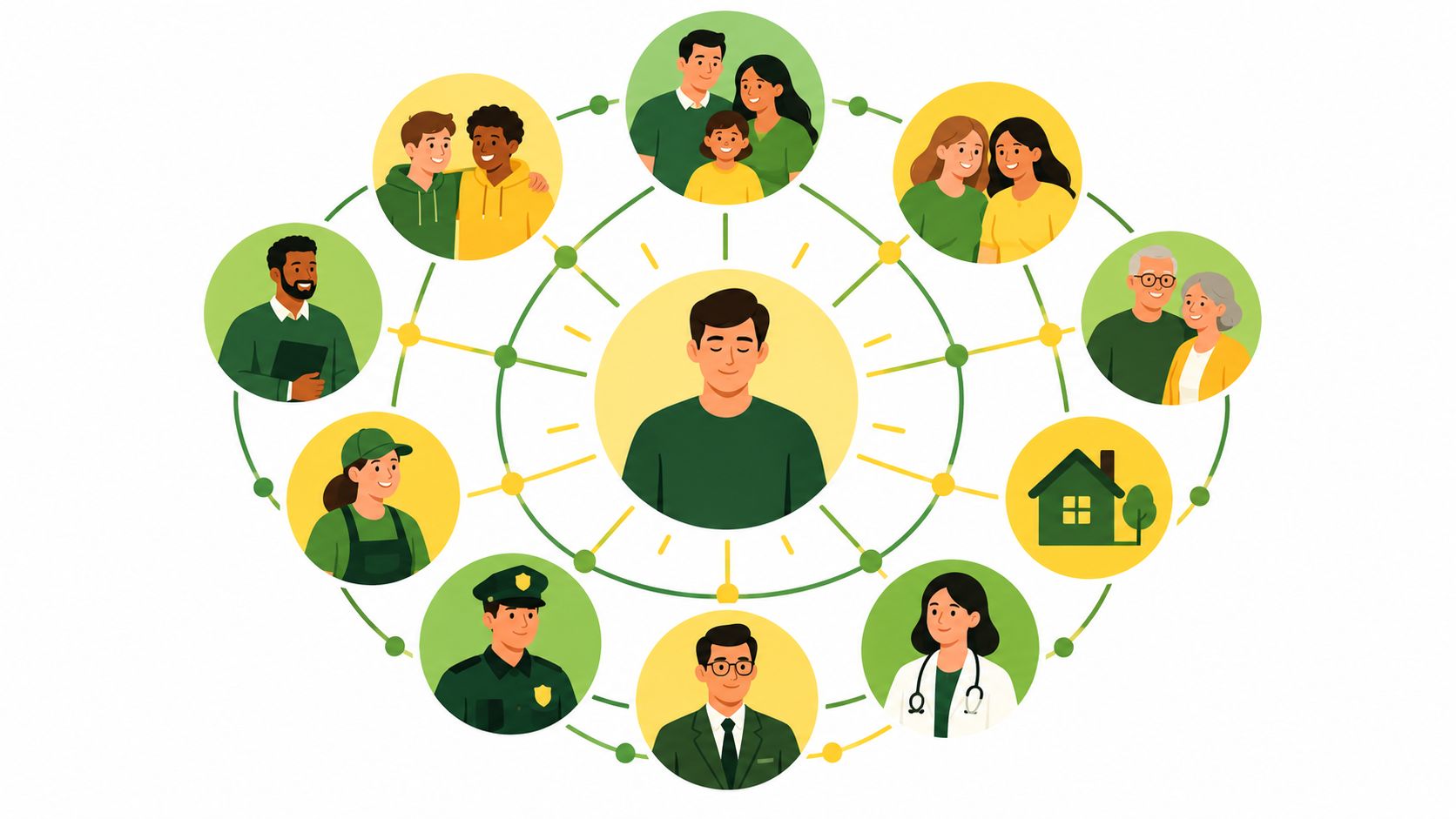
A support network matters because fostering is a shared professional responsibility, even when only one adult lives in the fostering household. A single foster parent may be the person providing daily care, but the child's plan can involve school staff, social workers, health professionals, birth family contact and the fostering service.
The network has both informal and formal parts. Informal support might come from a relative, friend or trusted neighbour who understands the boundaries around confidentiality and can help with an agreed task. Formal support comes through the fostering service, including a supervising social worker, out-of-hours advice, training and planned respite where available.
What assessors need to see
Assessors aren't looking for the largest possible circle of contacts. They need to see that the arrangements are named, practical and reliable. A list of people who live far away but haven't agreed to help is less useful than a smaller network with clear conversations about availability.
The assessment may explore:
- Emergency cover: who can help if the carer becomes unwell or faces an urgent crisis.
- Routine support: who can assist with transport, school commitments or an appointment.
- Emotional support: who can listen without breaching the child's privacy.
- Planned breaks: how the carer will rest and maintain personal commitments.
- Professional support: how the carer will contact the supervising social worker or out-of-hours service.
Form B records the assessment evidence, so support arrangements shouldn't be treated as an informal conversation that disappears afterwards. A prospective applicant can start by writing down the names of people who have actively agreed to specific forms of help, then identify gaps before approaching an agency.
The support available to foster carers should be discussed with each fostering service because arrangements differ. The network doesn't need to be large, but it does need to be honest enough to work on a difficult Tuesday evening, not just on a good day.
Fostering Allowances and What a Single Carer Can Expect
Fostering allowances are intended to help cover the costs of caring for a child. They aren't the same as ordinary wages, and the amount paid can depend on the child's age, the placement arrangement, the fostering service and any additional payment policy.
For the 2026/27 tax year, the statutory minimum weekly allowance in the Rest of England is age-banded as follows. These rates are published in the government guidance on help with the cost of fostering.
| Age band of child | Weekly allowance (£) |
|---|---|
| 0–2 | £176 |
| 3–4 | £182 |
| 5–10 | £201 |
| 11–15 | £227 |
| 16–17 | £267 |
Treating the figures as a baseline
The statutory allowance is a minimum framework, not a promise that every fostering household will receive only the amount shown. Additional payments may be available for a child's needs, the carer's skills or the number of children placed. Local authorities and independent fostering agencies can apply their own payment structures, so a prospective applicant should ask for the current policy in writing.
Some services also pay a fostering fee alongside the allowance. That fee may depend on experience, approval level or placement type. It should be separated from the money intended for the child's day-to-day costs when the household is planning a budget.
Tax treatment also needs careful attention. Foster carers may qualify for Qualifying Care Relief, a tax arrangement that can reduce the amount of fostering income treated as taxable. The relevant thresholds and calculation depend on the carer's circumstances and the tax year, so an applicant should use current HMRC information or obtain suitable tax advice rather than assume that every payment is tax-free.
A single foster parent should budget for ordinary household commitments before accepting a placement. Allowances can help meet fostering costs, but they shouldn't be treated as a substitute for a stable financial plan. The agency's fostering allowance information can help an applicant prepare questions about rates, fees, expenses and tax.
Placement Types That Often Suit a Single Carer
No placement type is automatically suitable or unsuitable because a carer is single. Matching considers the child's needs alongside the applicant's skills, availability, home, location, experience and support network. A fostering service may still take a cautious approach where a placement would create unusually demanding logistics for one adult.
Short break and emergency fostering
Short-break fostering can suit a single household that has a stable routine and can offer planned care for limited periods. It may provide valuable support to another fostering household while allowing the carer to understand fostering gradually. Emergency placements can be less predictable, so the agency will need confidence that the applicant can respond quickly and manage uncertainty.
Longer-term care
Longer-term fostering may work well where the carer has the time and emotional readiness to support a child's development over an extended period. The placement may include ongoing contact with birth family members, reviews and changing needs as the child grows. A single applicant's consistency and ability to build trusted relationships will be explored carefully.
Parent and child placements
Parent and child fostering involves supporting a parent, often a young parent, while professionals assess parenting capacity and family circumstances. The household needs sufficient space, privacy, emotional resilience and the ability to follow a detailed plan. Some agencies may assess this cautiously for a sole carer because the role can involve intensive observation and complex boundaries.
Sibling groups and teenagers
Keeping siblings together can be important, but larger sibling groups may require more bedrooms, transport and practical capacity than one adult can safely provide. Caring for teenagers can involve independence work, education support, identity questions and contact arrangements. A single foster parent may be well matched to either option, but the decision must be based on the individual assessment.
The different types of fostering can help applicants compare options without deciding too early. Suitability is about the child and the household together, not marital status alone.
Finding Local Support in Manchester and the North West
A prospective single foster parent can begin by identifying fostering services working in the relevant area of Greater Manchester, Merseyside, Lancashire, Cheshire or Cumbria. A local authority fostering team is run by a council, while an independent fostering agency is a separate organisation that recruits and supports foster carers and works with placing authorities.
A first conversation is usually exploratory rather than a commitment. It may take place by phone or online, followed by a home visit if the initial discussion indicates that fostering could be appropriate. The agency may ask for basic information before sending an enquiry pack or discussing the formal application route.
Information to prepare
An applicant doesn't need a complete plan before making contact, but the following details can make the discussion useful:
- Home arrangements: whether there is a spare bedroom and how the space is organised.
- Work or study: hours, flexibility and what would happen during school holidays or illness.
- Experience: paid, voluntary, family or community experience with children and young people.
- Support: names of people who could provide agreed practical help.
- Placement interests: short-term, longer-term, respite, teenagers or sibling groups.
- Identity and matching: cultural, faith, language and community connections that could support a child's sense of belonging.
Applicants can check an organisation's Ofsted inspection report and ask how supervision, training, out-of-hours advice, respite and complaints are handled. Regional support groups and online carer communities can add peer connection, but they don't replace professional supervision or safeguarding procedures.
Organic Fostering is one independent fostering agency operating from Manchester and supporting foster families across the North West. Its published service information describes enquiry conversations, home visits, assessment, preparation, supervising social worker support, out-of-hours advice and matching that considers culture, faith, language and identity. An applicant should still compare local options and ask each service for current terms.
Next Steps and Common Questions for Single Applicants
Is there an upper age limit?
There isn't an upper age limit set in the national eligibility guidance. An agency will consider health, energy, experience and whether the applicant is likely to provide consistent care for the proposed placement. The decision is individual, and honest discussion with the agency is more useful than relying on a general age assumption.
What happens if a partner joins the household later?
A new partner or household member can affect the fostering arrangement because the agency must understand who lives in, visits or regularly supports the home. The change should be reported before it happens where possible. The fostering service may need checks, conversations and a review of the approval terms.
Can a renter or someone with pets foster?
Renting doesn't automatically prevent fostering. The property needs to be safe, suitable and able to provide the required bedroom arrangements, while the landlord's position may need to be clarified. Pets are considered individually, with attention to temperament, supervision, allergies, safety and the child's history. A household shouldn't assume that a pet will be accepted or rejected without an assessment.
What about school holidays?
School holidays can change the practical rhythm of fostering. A single carer may need to plan childcare, activities, travel, work arrangements and contact commitments well in advance. The fostering service will want to understand how the child's needs will be met rather than accept a vague promise that arrangements will be made later.
Can a single foster parent take a child abroad?
Overseas holidays and travel require careful planning. Permission, the child's care plan, passports, legal arrangements, contact expectations and the placing authority's requirements may all matter. The carer should discuss proposed travel with the fostering service and relevant professionals well before booking anything.
The most useful next step is an informal conversation, not an immediate application. A prospective carer can ask about the agency's assessment approach, training, support, placement types, payment policy and expectations for single households. Experienced foster carers considering a transfer can also ask how continuity, supervision and the child's welfare would be managed during a move between agencies.
Organic Fostering offers informal, no-obligation conversations for people considering fostering as a single adult and for approved carers exploring a transfer. Prospective carers can visit Organic Fostering to discuss household circumstances, support networks and possible next steps without committing to an application.