
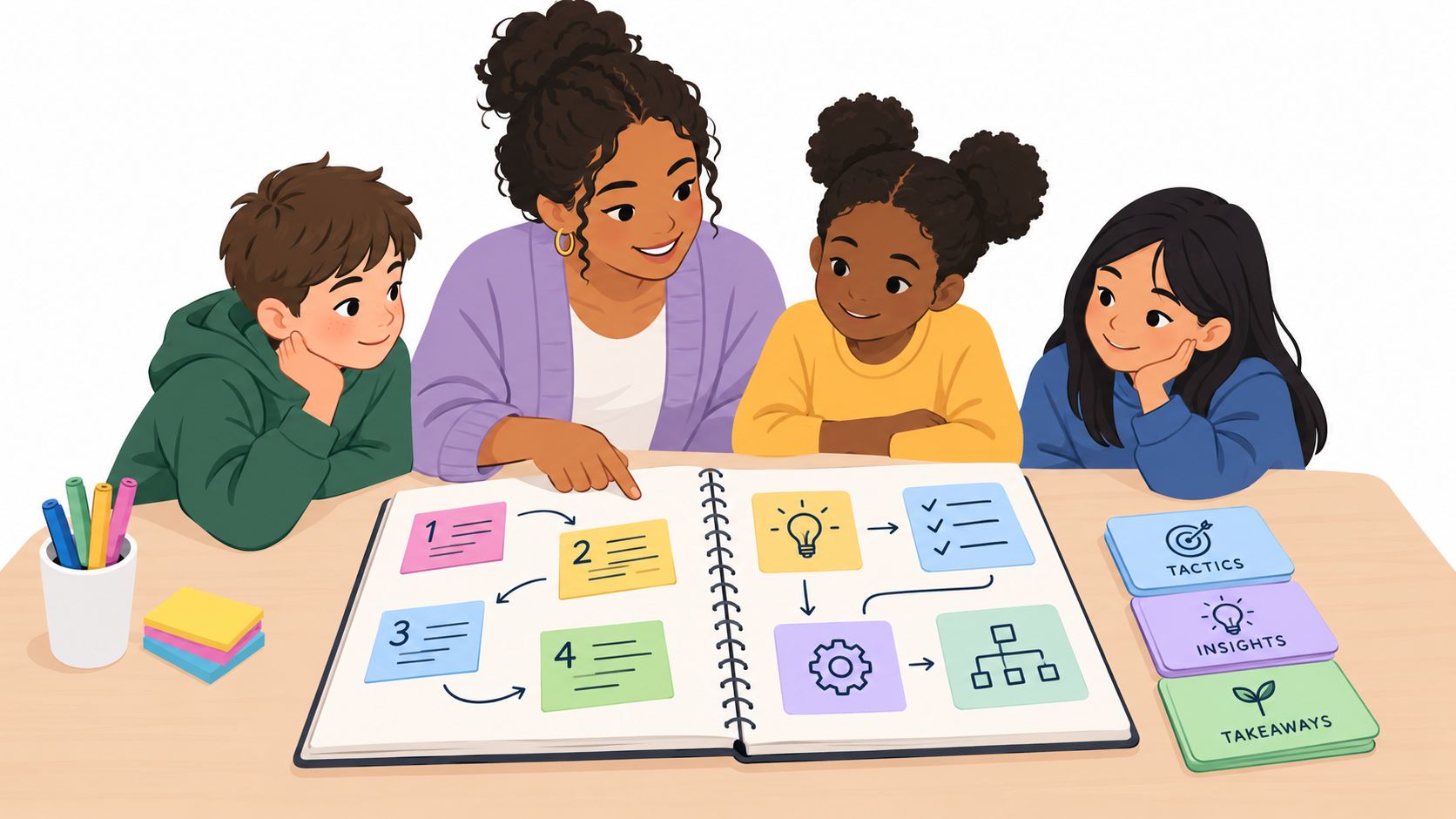
A spare bedroom can look ready for a new arrival, yet the right fostering decision depends on far more than available space. An emergency placement may require a household to respond at short notice, while a sibling group needs room, organisation and emotional capacity. A teenager may need patient support with education and independence, whereas a long-term placement can develop into a relationship lasting well beyond childhood.
The following foster care stories are anonymised illustrative composites, not testimonials, identifiable case studies or promises of particular outcomes. Each one shows a different placement need and the practical decisions foster carers may face around routines, training, birth family relationships, cultural identity, education, support and transitions.
Fostering in England usually involves an initial conversation, a home visit, an application, checks, training, a social-work assessment, panel consideration and approval. The exact process can vary between services. Adults considering fostering in Manchester or the wider North West can use these examples to reflect on the type of care that may suit their household, availability and support network.
Table of Contents
- 1. The teenager in transition supporting young people into independence
- 2. Sibling groups keeping brothers and sisters together
- 3. Cultural and faith matched placement supporting identity and belonging
- 4. Emergency and respite placements providing stability in crisis
- 5. Long term placement towards independence from infancy to adulthood
- 6. Special Guardianship and permanence after foster care
- 7. Adoption from care building permanent family through legal parenthood
- 8. Cross cutting lessons from different placement types
- Comparing 8 Foster Care Placement Stories
- Choosing your next step in fostering
1. The teenager in transition supporting young people into independence
A 15-year-old arrives after several disrupted placements. The bedroom is unfamiliar, schoolwork has fallen behind and trust doesn't come easily. The foster carer starts with ordinary things: a predictable breakfast, clear arrangements for pocket money and a calm explanation of household routines.
Over time, the carer attends school meetings, supports GCSE revision and helps the young person explore vocational options. One-to-one conversations happen during cooking, car journeys or gaming rather than formal sit-downs. The teenager begins to discuss an apprenticeship and the practical steps involved in becoming more independent.
This is an illustrative composite, not a claim about a real child or a guaranteed outcome. It reflects why teenagers need carers who can combine warmth with boundaries, advocacy with patience and encouragement with realistic planning. A young person who has experienced instability may test arrangements without intending to reject the household. Behaviour can communicate fear, uncertainty or a need to understand whether adults remain dependable.
The guidance on fostering teenagers can help prospective carers consider the specific demands of adolescent placements.
Practical decisions for carers
- Agree routines early: Discuss meals, bedtimes, visitors, devices, pocket money and privileges, while leaving room for negotiation as trust develops.
- Support education without prescribing it: GCSEs, college, vocational qualifications and apprenticeships can all form part of a young person's future.
- Plan independence gradually: Budgeting, meal planning, laundry, travel and job applications should be introduced progressively, not saved for the final months of care.
- Coordinate support: School staff, social workers, health professionals and, where relevant, the Youth Offending Team may need to work together.
- Respect safe relationships: Contact with birth family can remain important, provided arrangements are safe and agreed through the care plan.
The national picture shows why teenage placements need attention. On 31 March 2024, 83,630 children were looked after by local authorities, and 56,390, or 67%, lived in foster placements, according to official children looked after statistics. A stable adult relationship can therefore matter at a critical stage, when education, identity and preparation for adulthood are all developing together.
2. Sibling groups keeping brothers and sisters together
Three children arrive together after a period of family difficulty. The youngest becomes distressed when adults leave the room, the middle child becomes angry during transitions and the oldest tries to protect everyone. The foster carers quickly learn that the children need both shared reassurance and individual attention.
A visual timetable helps the household manage school, contact and appointments. Each child receives time alone with a carer, while shared meals and familiar routines preserve a sense of family. The oldest child can help choose a game or read to a younger sibling, but isn't made responsible for emotional care or household discipline.
This composite illustrates the value and complexity of sibling placements. Brothers and sisters can provide continuity during a frightening change, but they may also bring shared trauma, rivalry and different coping responses into one home. A carer must notice the child who becomes loud, the child who withdraws and the child who appears unusually capable.
The information about fostering siblings offers a useful starting point for households considering this form of care.
Keeping relationships without losing individuality
A local-authority sufficiency strategy reported that 44% of children in care were part of a sibling group, while 22.6% had a sibling in the same placement. The same strategy recorded that 71.7% of children in care were White British and noted an increasing proportion from Black, Asian and Mixed ethnic groups. These figures appear in Essex Council's children in care strategy, and they underline why placement planning needs to consider both sibling relationships and identity.
Practical preparation may include:
- Checking bedroom arrangements: Separate rooms may help children feel secure, although decisions must reflect the children's ages, needs and the service's assessment.
- Creating individual time: A short regular activity with each child can reduce rivalry and support separate attachments.
- Using visible routines: Calendars, pictures and clear handovers can make multiple school and contact arrangements easier to understand.
- Working with schools: Sibling dynamics may appear differently at home and in the classroom, so teachers need relevant information.
- Planning birth family contact: Contact should support the children's relationships and identity, with safeguarding and the care plan guiding arrangements.
The household may need larger practical capacity, but space alone isn't enough. Carers also need flexibility, organisation and an understanding that children who share a history won't necessarily process it in the same way.
3. Cultural and faith matched placement supporting identity and belonging
A seven-year-old enters a foster home carrying a familiar language, religious practice and family traditions. The carers ask which parts of daily life matter most, speak with the relevant adults and make room for familiar food, celebrations, worship and language where this is safe and appropriate. A child's belongings, words and routines can help an unfamiliar house feel recognisable.
Another child may return from school after experiencing racism. Reassurance at home gives the child somewhere safe to speak, while effective support may also require community connections, work with the school and honest conversations about discrimination. The carer might need to acknowledge what happened, advocate for the child and help them stay connected to their heritage.
These illustrative composites do not claim a particular placement produced a specific result. They show why cultural, faith, language and identity needs belong in matching decisions, rather than being considered only after the placement begins.
England's fostering assessment examines an applicant's religious beliefs, ethnicity, cultural background and languages. It also considers whether the applicant can care for a child whose religion, ethnicity, culture or language differs from their own, as explained in the GOV.UK fostering assessment guidance.
Preparation that protects belonging
A prospective carer from a minority ethnic or faith community may offer language skills, community links and lived cultural knowledge. A carer from the majority culture can also provide safe care, provided they approach differences with humility, curiosity and a willingness to learn. Affection alone does not give someone cultural knowledge.
The practical questions are specific. What names, foods, celebrations and languages should be recorded? Which relatives can explain family traditions or faith practices? Could a mosque, temple, church, cultural centre, language class or mentoring organisation help the child maintain community connections? How will information about birth family and significant relationships be stored and shared sensitively?
Children should be invited to describe their traditions and preferences without pressure to perform an identity. Their experiences of prejudice need acknowledgement and emotional support. Birth relatives may hold important knowledge about food, faith, language and family history, where involving them is appropriate and consistent with the care plan.
Prospective carers can also read how placement matches work. A suitable match involves more than an available bedroom. It considers whether the household can help a child remain connected to the people, practices and traditions that make life feel familiar.
4. Emergency and respite placements providing stability in crisis
A child arrives late at night with little notice. The emergency carer prepares a bed, offers food and clean clothes, and stays calm while professionals gather information. The child may be frightened, withdrawn or unable to explain what has happened. Safety, sleep and reassurance come before questions about their history. Clear observations then help the social worker plan the next placement.
Respite care follows a different pattern. A child in a long-term foster placement stays for an agreed short period with another approved carer. Time apart can give the primary carer space to rest, while the child gains another dependable adult. Familiar routines and careful communication help prevent a short stay from feeling like another sudden change.
These arrangements may suit households that cannot commit to a long-term placement but can offer availability at particular times. They still require preparation, emotional steadiness and access to advice. A brief placement can affect a child's sense of safety for days or weeks afterwards.
A practical handover matters. An emergency welcome pack might include nightwear, toiletries, an age-appropriate book and a comfort item. For respite, the primary carer should share routines, food preferences, medical information, known triggers, contact arrangements and calming strategies. The information may be incomplete, but it gives the receiving carer a workable starting point.
During the stay, stay curious about behaviour that may reflect fear or trauma rather than deliberate opposition. Record carefully any new information about health, routines or triggers, then pass it to the social worker and the next carer. Follow the existing plan, rather than changing routines or trying to resolve every difficulty during a short visit.
A proper handover works both ways. Primary carers need time to brief the respite carer and hear how the child managed afterwards. Debriefing and support networks can help adults process difficult experiences and identify training needs. Families considering this role can read about respite placements. Emergency and respite carers help maintain continuity, even when the child's permanent household has not yet been decided.
5. Long term placement towards independence from infancy to adulthood
At two years old, a child moves in with foster carers who learn the bedtime routine, attend the first school meeting and keep familiar relationships in view. Years later, the same adults may be helping with revision, responding to adolescent testing and discussing birth family, identity and future plans. The placement changes as the child grows, while dependable care remains the constant.
Long-term fostering brings ordinary family milestones alongside care planning, professional meetings and uncertainty about what adulthood will look like. A young person may need help making sense of their history, managing contact or answering difficult questions about belonging. Carers can support education while treating emotional health as more than a set of results.
The guide to long-term foster care describes the sustained commitment involved. A household needs capacity for the relationship's changing demands, not only enthusiasm at the start.
Preparation for leaving care should begin well before a move into independence. Cooking a meal, reading a bank statement, planning a journey or making a household decision can become a small rehearsal for adult life. Build life skills progressively, with support adjusted as confidence develops. Expect adolescence to change the relationship. Boundary-testing may require patience and supervision rather than a conclusion that attachment has failed.
On 31 March 2024, 62% of 18-year-olds who stopped being looked after on their 18th birthday were still living with former foster carers three months later under the Staying Put arrangement, compared with 58% in 2020, according to the Department for Education's children looked after statistics. This continuation shows why transition planning should include the young person's wishes, practical support and the carer's ability to provide a stable home beyond legal childhood.
Protect identity and origins through life-story work and safe birth family contact. Keep education proportionate, recognising wellbeing and belonging alongside achievement. Discuss future options, including Staying Put, further education, work and housing, with the young person rather than deciding around them. Carers also need continuing training, supervision and space to acknowledge their own emotions as the relationship enters a new stage.
6. Special Guardianship and permanence after foster care
A child has lived with the same carers for years. Daily life already feels familial, yet the legal position remains connected to the care system. The child, carers, birth family and professionals begin discussing whether Special Guardianship could provide greater permanence while preserving appropriate links and support.
A Special Guardianship Order gives a carer parental responsibility and creates a more secure long-term arrangement. It isn't identical to adoption. The legal consequences, contact arrangements, support and financial provisions need careful explanation, and local policies can differ. A household shouldn't make the decision on emotion alone or assume that the order removes every need for help.
The child's views should be considered in an age-appropriate way. A teenager may want reassurance that a legal change won't erase their birth family, name, history or important relationships. A younger child may need simple explanations repeated over time.
Questions before a permanence decision
- What does the child understand? Social workers and therapeutic professionals can help carers explain the change without presenting it as a sudden replacement of one family by another.
- What support will continue? Allowances, training and professional involvement should be checked with the relevant local authority before an application progresses.
- How will contact work? The child's safety, wishes, identity and relationships should guide arrangements.
- What legal advice is needed? A solicitor with relevant children's law experience can explain responsibilities and represent the child's interests where appropriate.
- What happens after the order? The child may still need therapeutic help, life-story work and support through education, adolescence and adulthood.
Special Guardianship may be appropriate for some stable placements, including certain kinship arrangements. It isn't a universal alternative to adoption or long-term fostering. The right decision depends on the child's permanence plan, relationships, legal advice and welfare.
7. Adoption from care building permanent family through legal parenthood
A child has lived with foster carers for years, while plans for returning to birth parents have not become safe or workable. Professionals consider whether adoption is in the child's best interests. The carers must then think carefully about whether they can make a lifelong legal and emotional commitment, rather than treating adoption as the automatic next stage of a successful placement.
Adoption creates a legal parent-child relationship and permanently changes the child's legal status. It can offer security when permanence outside the birth family is the appropriate plan, but it doesn't erase grief, early experiences or questions about identity. A child may feel relief and loss at the same time.
Some foster carers may explore adopting a child already placed with them. Other approved adopters may be assessed to care for children, including older children or sibling groups, who need a permanent family. Each route requires preparation, assessment and support.
Permanence still needs openness
Carers considering adoption should discuss the decision with the social worker and seek adoption-informed therapeutic and legal advice. The child needs an explanation suited to age and understanding, with space for questions about birth parents, names, history and belonging.
Practical preparation includes:
- Maintaining life-story work: Adoption doesn't remove the importance of accurate memories, photographs, documents and safe information about origins.
- Understanding trauma: Legal permanence provides a foundation for healing, not a promise that difficult behaviour or grief will disappear.
- Planning support: Adoption support services and training may be needed before and after an order is made.
- Respecting relationships: Any ongoing contact must be professionally planned and centred on the child's welfare.
- Preparing for adulthood: Adopted young people may continue to need parental involvement, identity support and help with major transitions after eighteen.
Adoption differs from fostering and Special Guardianship in its legal finality. The decision needs careful consideration of the child's welfare, the birth family's position, the carers' capacity and the support available over the long term.
8. Cross cutting lessons from different placement types
Across these composites, the practical lesson is consistent: good care depends on preparation, communication and support, not on a carer finding the perfect response in every difficult moment. A teenager, sibling group, infant and emergency placement may all need affection, but their routines, risks, identity needs and transition plans will differ.
England's fostering system illustrates the scale of the challenge. At the end of March 2024, there were 42,615 fostering households and 70,465 approved mainstream fostering places. Around 8,500 applications from prospective fostering households were received during 2023 to 2024, while about 3,800 newly approved mainstream households were recorded at the end of that period. The official fostering in England statistics show why public interest doesn't automatically translate into a suitable, available placement.
Practical rule: A spare bedroom is only one part of placement capacity. Matching, approval, availability, training and the child's specific needs must all align.
A strong household system may include:
- Trauma-informed learning: Training in attachment, adolescent development, behaviour, cultural identity and birth family contact supports better decisions.
- Written resources: Welcome packs, visual timetables, child profiles and handover forms reduce avoidable uncertainty.
- Regular supervision: A supervising social worker, out-of-hours advice and peer support give carers somewhere to turn when difficulties arise.
- Early transition planning: Independence, reunification, Special Guardianship and adoption all need age-appropriate conversations over time.
- Clear outcome records: Placement history, school engagement, emotional presentation, moves and support should be recorded so progress isn't reduced to an appealing story.
Government evidence links placement stability and good-quality care with better educational, employment, accommodation, self-esteem and social integration outcomes in adulthood. It also recommends recording baseline information and following up at defined intervals, such as six and twelve months, so that professionals can distinguish a stabilising placement from a positive narrative without evidence. The government evidence review provides that practice framework.
Comparing 8 Foster Care Placement Stories
| Placement type | Implementation complexity | Resource requirements | Expected outcomes | Ideal use cases | Key advantages |
|---|---|---|---|---|---|
| The Teenager in Transition: Supporting Young People into Independence | Medium–High, requires adolescent behaviour management and multi‑agency work | Time‑intensive mentoring, training in adolescent development, education advocacy, higher allowances | Improved qualifications, employment readiness, increased independence, lasting carer relationships | Teenagers with placement instability, GCSE/vocational goals, those nearing adulthood or with offending risk | Fills placement gap for teens; high carer fulfilment; targeted independence support |
| Sibling Groups: Keeping Brothers and Sisters Together | High, managing multiple ages and complex sibling dynamics | Larger home/bedroom needs, higher allowances, coordinated education/health appointments, limited respite | Preserved identity, reduced trauma and disruption, mutual sibling support | 2–4 siblings entering care who benefit from remaining together | Better long‑term outcomes; family continuity; lower system duplication |
| Cultural and Faith‑Matched Placement: Supporting Identity and Belonging | Medium, requires accurate cultural matching and culturally informed practice | Carers with lived cultural/faith experience or strong community links; specific community resources | Stronger sense of identity and belonging, improved engagement and attachment, maintained language | Children from specific ethnic, religious or linguistic backgrounds needing cultural continuity | Immediate cultural recognition; reduced identity loss; advocacy against discrimination |
| Emergency and Respite Placements: Providing Stability in Crisis | High for emergency (rapid response with minimal info); low–medium for respite | High flexibility/on‑call readiness, welcome packs, short‑term training, good handover systems | Immediate safety and stabilisation; prevents carer burnout; short‑term stability for transitions | Same‑day removals, short planned breaks for primary carers | Fills urgent system gaps; lifesaving in emergencies; supports long‑term carers |
| Long‑Term Placement Towards Independence: Infancy to Adulthood | Very High, decade(s)‑long commitment across development stages | Sustained emotional, time and financial investment, ongoing training, multi‑system coordination | Best outcomes in education, mental health and life success; secure attachment and gradual independence | Children needing permanent family continuity from early childhood through adolescence | Deep stability and continuity; allows long‑term recovery and gradual transition to adulthood |
| Special Guardianship and Permanence: Transition from Foster Care to Family | Medium, legal process and planning; court assessment required | Legal advice, understanding of local guardianship allowances, continued social work support | Legal permanence without full adoption; preserved birth family links; planning certainty | Stable long‑term placements or kinship carers seeking permanence without adoption | Legal security with continued support; preserves identity and contact options |
| Adoption from Care: Building Permanent Family Through Legal Parenthood | High, rigorous assessment, legal severance, irreversible order | Extensive legal and therapeutic support, adoption training, adoption allowances and networks | Full legal permanence, clear parental status, lifelong security (but ongoing identity work) | Cases where return to birth family is impossible and permanence is in child's best interest | Irreversible legal security; strong sense of belonging; established adoption supports |
| Cross‑cutting Themes and Practical Lessons | Variable, depends on applied changes; requires system‑level coordination | Multi‑agency resources, consistent local policy, training in trauma/cultural competency, peer networks | Better matching, reduced disruption, improved carer resilience and child outcomes when implemented | Service planning, training programmes, policy development and improvement initiatives | Synthesises best practice; improves system resilience, consistency and carer support |
Choosing your next step in fostering
The most useful foster care stories don't present one placement type as easy. They show the fit between a child's needs and a carer's capacity. A household considering fostering in Manchester or the North West may be able to offer emergency care, long-term care, respite, a home for teenagers or space for siblings, but the decision should follow honest discussion rather than pressure.
Prospective carers can consider:
- Space: Is there a suitable bedroom, and could the household accommodate the age, relationships and needs of a child or sibling group?
- Time: Can adults attend meetings, contact sessions, school events, training and appointments?
- Flexibility: Could the household respond to changing routines, emergency information or a child's different emotional responses?
- Support: Are relatives, friends or other trusted adults able to offer practical and emotional support within safe boundaries?
- Identity: Can the household support a child's culture, faith, language, race, sexuality and relationships with respect?
- Professional collaboration: Is the household ready to work with social workers, schools, health services, birth family members and other agencies?
- Transitions: Can carers support reunification, a move to another placement, independence, Special Guardianship or adoption if that becomes the child's plan?
Frequently asked questions
Can fostering be short term or long term?
Yes. Placements may be emergency, respite, short term or long term, depending on the child's care plan and the carer's approval. A short placement still needs careful preparation and a long-term placement still needs planning for change.
How does matching work?
Matching considers the child's needs, the carers' skills and capacity, household circumstances, relationships, culture, faith, language and identity. The GOV.UK guidance explains that fostering assessments examine whether applicants can meet children's needs, including needs connected with background and difference.
What support should approved carers expect?
Support varies by service, so applicants should ask about supervising social workers, out-of-hours advice, training, peer networks, placement support and help with education and health coordination. Organic Fostering states that it provides a supervising social worker, out-of-hours advice, ongoing learning and support with multi-agency work, but current agency information should be checked directly.
Where should eligibility and allowances be checked?
The basic eligibility guidance for England says applicants must be at least eighteen and have the right to work in the UK, although services may set additional requirements. Applicants don't have to be married or homeowners under national guidance, but suitability depends on the full assessment of household circumstances, health, capacity and ability to meet a child's needs. The GOV.UK eligibility guidance should be checked alongside the chosen agency's current requirements.
Allowance rates, fees, tax treatment and payment policies can vary. Prospective carers should review the agency's published information, calculator and policy rather than relying on general online claims. Health questions should be discussed through the required medical process and appropriate NHS guidance where relevant. Information about inspection and regulation can be checked through Ofsted.
Organic Fostering is an Ofsted-registered independent fostering agency based in Manchester, supporting foster families across the North West. The agency describes an approach that combines preparation, assessment, cultural and faith-aware matching, supervising-social-worker support, out-of-hours advice and transfer support for experienced carers. People considering becoming foster carers or transferring agencies can seek an informal, no-obligation conversation to discuss household circumstances, placement preferences and next steps. This article should receive review by someone familiar with fostering before publication.
Organic Fostering offers preparation, assessment guidance, training, placement matching and ongoing support for households considering teenagers, siblings, emergency, respite or long-term fostering. People considering fostering or transferring agencies can visit Organic Fostering for an informal, no-obligation conversation about the options available.