

Could your spare room in Blackburn become the stable base a child needs? It is a reasonable question to ask, and the honest answer has two parts worth keeping apart: whether you would qualify to foster, and which service can support you in the town where you live.
The first part starts with demand. In the year ending 31 March 2024, England had 83,630 children looked after, and 67% of them, around 56,390 children, were in foster care, according to the Department for Education's children looked after statistics. Fostering is the main placement route in England, and every placement inside that figure depends on an ordinary household with a room to offer.
The second part is geography, and it catches more people out. Coverage works a bit like a bus route across a county: the service runs somewhere in the region, yet it may never stop on your road. An agency that supports families across the North West may or may not recruit, assess and supervise carers in Blackburn itself, because covering a region and working in a particular town are two different commitments.
Whether Organic Fostering covers Blackburn is a question for its team, and it is worth settling before you apply rather than assuming coverage from a shared region.
Table of Contents
- Can You Foster in Blackburn?
- Why Blackburn with Darwen Needs More Local Foster Homes
- How the Approval Pathway Works Step by Step
- Placement Types and Which Ones Fit Your Household
- National Minimum Allowances and Where Tax and Fees Sit
- Support and Stability After Approval
- How to Check Whether an Agency Covers Blackburn
- Make an Enquiry About Fostering in Blackburn
Can You Foster in Blackburn?
A single person in a two-bedroom flat, a couple in a rented terrace, a family whose own children still live at home: all three could foster in Blackburn, because the requirements are the same across England. The list is short. A suitable spare bedroom, time and flexibility, the right to work in the UK, and a willingness to complete an assessment, checks and training. Where you live settles a different question, which is what service can take the application forward.
The table below is a way to test your own situation against the general position rather than against a recruitment page.
| Household situation | What is normally needed | What to confirm |
|---|---|---|
| Homeowner or private tenant | Secure accommodation and a suitable spare bedroom | Tenancy permission if you rent |
| Single person | Suitable spare bedroom, time and flexibility | Your working pattern and support network |
| Couple or household with children | Suitable spare bedroom; children's views, ages and needs considered | Effect of fostering on family life |
| Everyone applying | Right to work in the UK; willingness to complete assessment, checks and training | Timing of training and assessment with the team |
Start with the row that looks like your household.
Each row works as a prompt for a conversation, and the right-hand column is the homework. A private tenant can foster provided the home is secure, the spare bedroom is suitable and the tenancy permits a child to live there, so find the agreement and read the section on occupiers before going any further. Single people can foster, and the question worth asking is about the working pattern: who takes a child to school on a Tuesday when a shift runs late. Households that already have children can foster too, and the assessment will weigh the children's ages, their views and how fostering might change family life.
The checks behind every application
Every applicant goes through the same core checks, which include identity, date of birth, address history, references, and criminal-record and barred-list information. Each one serves a single purpose: giving the service enough evidence to be confident a child will be safe in the house. Because several agencies and records are involved, the checks run over weeks rather than days, so building them into your expectations early makes the wait easier to plan around.
Practical step: write two short lists before you call anyone. The first holds the requirements you already meet. The second holds the ones you need to confirm, such as tenancy permission, which bedroom you'd use and the hours you can realistically commit. For the situations that come up most often, the five common questions about who can foster covers the ground in more detail.
Why Blackburn with Darwen Needs More Local Foster Homes
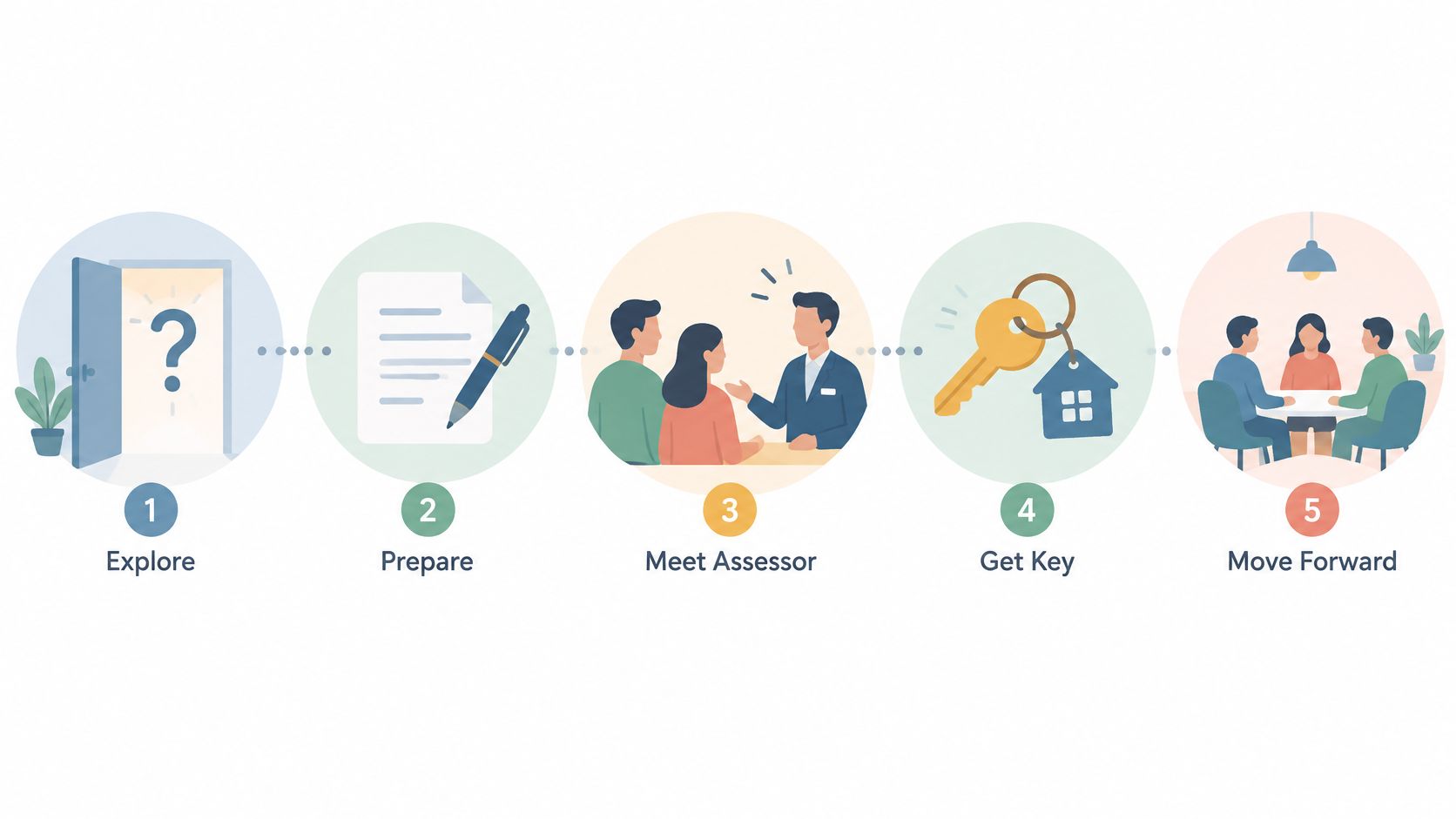
Blackburn with Darwen's rate of children looked after runs well above the national level, roughly a third higher. The Ofsted local authority profile for Blackburn with Darwen records 375 children looked after, equivalent to 90 per 10,000 children against 67 per 10,000 across England, and the same profile shows where that pressure concentrates by age:
| Group | Blackburn with Darwen | England |
|---|---|---|
| Children under one | 1.3% | 0.6% |
| Children aged 5 to 9 | 0.8% | 0.4% |
| Children aged 10 to 15 | 0.9% | 0.7% |
| All children looked after (per 10,000) | 90 | 67 |
Reading the table takes a little care. Each percentage is the share of children within that age band who are looked after by the local authority, so the right comparison is row by row, Blackburn with Darwen against England. Looked-after children are a smaller group than every child receiving social-care support, and the borough runs higher on each school-age row. That pattern is the strongest argument for recruiting carers locally rather than assuming placements will be found elsewhere.
For a household weighing up fostering in Blackburn, the practical reading is that pressure sits with children of school age and above. Carers who can hold a school routine, work with a named teacher and keep an older child steady through exam years are the ones the figures point to. A child entering care mid-year often needs continuity in education and contact with brothers, sisters and friends, which takes cooperation between schools, social-care teams and health professionals.
Blackburn with Darwen's published strategy says it wants more local, high-quality foster homes and fewer out-of-area or residential placements. A strategy works like a signpost: it shows the direction the council wants to travel. What it can't show is live demand, because recruitment shifts month to month and coverage differs between agencies. Organic Fostering, for instance, publishes an area only after confirming it is recruiting foster carers there and can provide the assessment, supervision and continuing support that follows, so a broad North West label on any website is worth testing with a direct question about Blackburn itself.
Practical step: note which age groups you could realistically care for, then ask any agency which placement types it is actively recruiting for in Blackburn right now.
How the Approval Pathway Works Step by Step
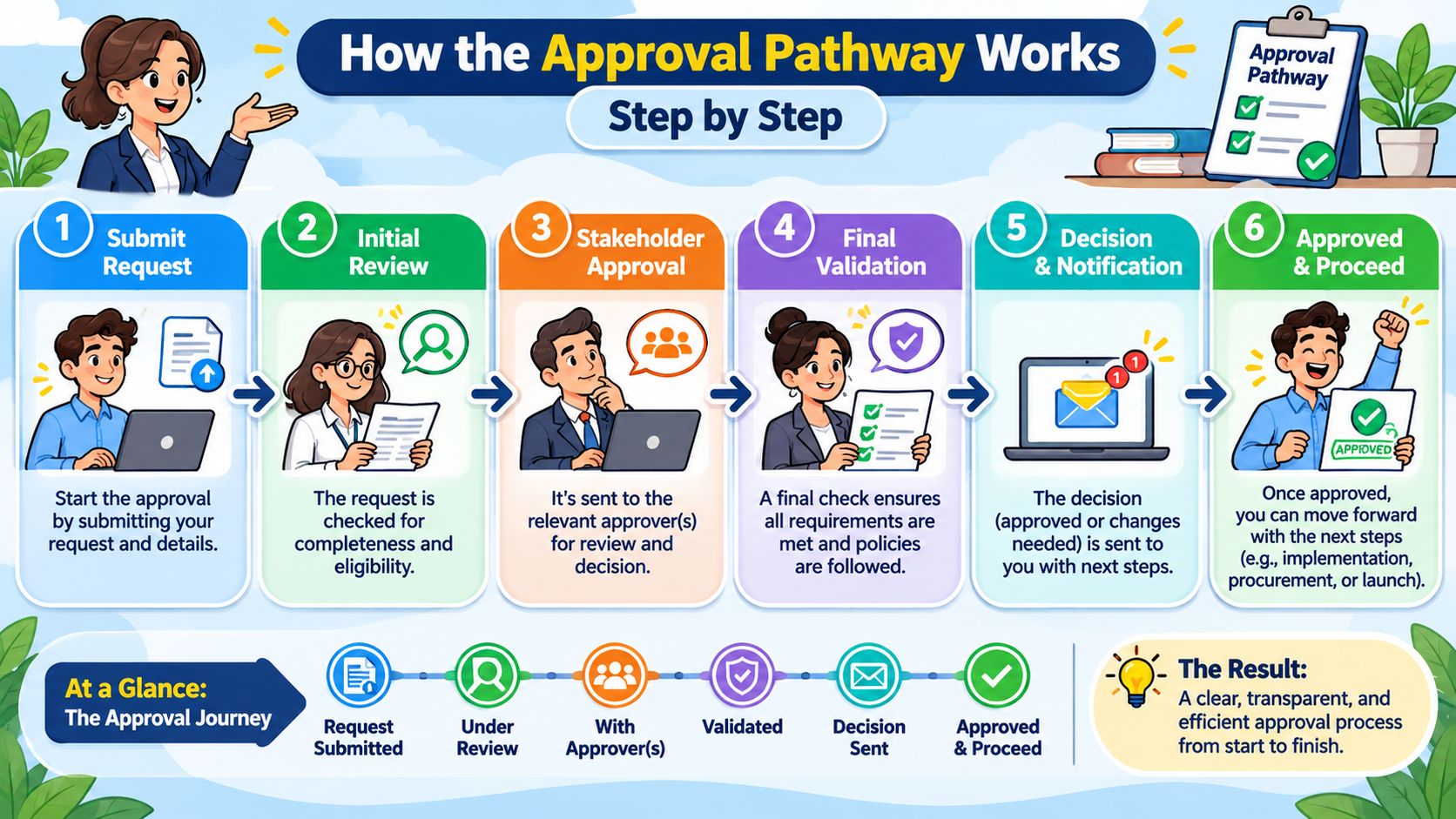
Approval in England is a regulated process. The Fostering Services (England) Regulations 2011 set the frame every fostering service works inside, so the route itself looks much the same whichever agency you approach. What changes from one service to another is who walks it with you, and where.
What to gather before step one
References, household information (names, dates of birth and address history), and a realistic view of the evenings you can keep free for visits and training. Having it ready shortens the gap between the first call and the assessment starting.
The five steps
- Start a conversation. An informal call or enquiry with no obligation to continue. Use it to get your questions answered before you commit to anything, including the one about whether the agency recruits and supports carers in Blackburn. A service publishes an area only after confirming it can provide the assessment, supervision and continuing support that follow approval, so operating in the North West does not automatically mean covering your town.
- Initial or home visit. Someone from the service visits to talk through the household and the role, at a time the agency confirms. Both sides are assessing fit: they are looking at your home and circumstances, and you are weighing up the support on offer.
- Apply and train. You complete the application and begin preparation training. The assessment that follows builds on what those sessions cover, so the training carries real weight in the decision.
- Assessment. A social worker completes the fostering assessment, covering identity, date of birth, address history, references and criminal-record and barred-list information. Children already in the household have their views, ages and needs taken into account, along with the effect fostering could have on family life.
- Panel and approval. A fostering panel considers the application and recommends whether you are suitable, including any terms of approval such as the type or number of placements.
Panel, decision and review
The panel makes a recommendation, and the fostering service makes the decision. If a service tells you it is unlikely to approve you, the regulations allow you to make representations to the provider or ask for the case to go to an independent review panel. Once approved, the approval must be reviewed no later than a year afterwards, then at intervals of no more than a year.
No one can hand you a week count for your own application, because checks, references and panel dates set the calendar. Ask for indicative timings in writing so you have something to plan around. For a view of the same stages from an agency's side, the foster parent process explained step by step walks through each one in turn.
Placement Types and Which Ones Fit Your Household
Organic Fostering offers six types of fostering, and each one asks something different of the household behind it. The useful exercise is matching them against the space, the hours and the experience you have now, rather than the version you'd like to have in two years.
- Short-term placements give a child a home while a longer plan is decided, so the household needs to be comfortable with change arriving at short notice.
- Long-term placements are for a child who stays for an extended period, which makes the match matter far more than the speed of it.
- Emergency placements are arranged when a child needs somewhere to sleep that night. They suit people who can say yes without a week's notice, and they tend to be intense and brief.
- Respite placements are planned short breaks that give a family or another carer room to keep going.
- Fostering siblings keeps brothers and sisters together where that suits their needs, or holds contact together when they live apart. It usually needs more bedrooms than people expect.
- Fostering teenagers means attention to routine, school or college, and the slow work of helping a young person towards independence.
The assessment settles the terms of approval, including the type and number of placements, and those terms can change later. A household might begin approved for respite while both adults work full time, then ask for the terms to be widened to short-term placements once one of them reduces their hours. Starting narrow and growing from there is a normal route in.
Placements arrive through referrals and matching, which weigh a child's needs, identity, culture and existing relationships. A carer doesn't choose a child from a list; matching decides which of the six types gets offered to you. The practical comparison of foster care types goes further into each one.
For a Blackburn household, one extra check sits on top of the list: confirm the agency recruits and supports carers in the town itself, because covering the North West in general and supporting your household week to week are two different questions.
Practical step: score all six against your time, your bedrooms and your experience, then read the pages covering the ones that scored well before making any call.
National Minimum Allowances and Where Tax and Fees Sit
Money questions deserve a calm, sequential answer: first the national floor, then the agency's own policy, then tax. The figures below are national minimum weekly allowances for the 2026–27 tax year, applying to households outside London and the South East, which includes Blackburn and Greater Manchester. They come from the GOV.UK guidance on help with the cost of fostering.
| Child's age | Minimum weekly allowance |
|---|---|
| 0 to 2 years | £176 |
| 3 to 4 years | £182 |
| 5 to 10 years | £201 |
| 11 to 15 years | £227 |
| 16 to 17 years | £267 |
The minimum is a baseline. The amount a fostering service pays sits at or above it and can vary with the child's specific needs, the number of children placed and the carer's skills and experience.
Three figures get muddled in most money conversations, and keeping them separate is how budgeting stays sane.
- The national minimum is the baseline set nationally, shown in the table above.
- The agency's approved allowance is set by that agency's own payment policy. Organic Fostering publishes its weekly rates by age band, so ask for the current policy document and read the figure for the age groups you expect to care for.
- A carer fee, where one exists, is separate again and worth requesting in writing.
Here is the part the angle matters for: an allowance policy only applies to your household if that agency recruits and supports carers where you live. The national minimums apply everywhere outside London and the South East, but the specific policy, and the support wrapped around it, depends on confirmed coverage of Blackburn.
A calculator result works as a planning estimate: a way to see how a weekly figure stacks up across a year before you rely on it. The allowance calculator produces an illustrative weekly and annual number to sit alongside the written policy, which is the document that counts.
Tax is the part people leave until January. Fostering income is taxed under rules that differ from ordinary employment, and the position for a given year should be checked on GOV.UK and HMRC. The guide to tax allowances for foster carers explains the shape of it. Before relying on any annual total, gather three things: the allowance policy, any fee in writing, and the tax treatment for the year you are in.
Support and Stability After Approval
Stability has a working definition in the care system, which helps. Placement instability is measured by whether a child has had three or more placements within 12 months, and nationally 10% of children looked after experienced that level of instability in the year to 31 March 2024, rising to 23% across a two-year window, according to the children looked after statistics for 2024.
That number is a recruitment problem and a matching problem at once. A household approved in a hurry, matched loosely and left to cope will produce moves. Careful matching comes first. What happens in the fortnight after a difficult night comes second, and that is where support either exists or it doesn't.
Good support has a shape. It means preparation that covers attachment and therapeutic parenting, a named person to call when a placement wobbles, and help looking beyond a child's immediate behaviour to stay curious about what it means and respond with safety, boundaries and empathy. Timing matters as much as content: guidance delivered at the point of crisis does more than a folder handed over at approval.
There is also a geography question. A supervising social worker can only visit as often as distance allows, so an agency's promises mean little for a Blackburn household unless it supports carers in the town. Approval in principle and support in practice are separate things, and only the second one keeps placements stable.
Questions worth putting in writing:
- Who is the supervising social worker, and how often do they visit?
- What preparation and ongoing learning is offered, and when does it happen?
- How does advice work outside normal hours for approved carers?
- Can carers speak to other carers, and how is that arranged?
- Who helps with a child's education and health needs when a school placement wobbles?
Organic Fostering allocates a supervising social worker to each household, provides preparation and ongoing learning, and gives approved carers advice outside normal hours, contact with other carers and help with a child's education and health needs. The specifics behind each heading, including visit frequency and who answers the phone late at night, are worth confirming directly. Specialist support for a particular child is agreed for that placement, and access to any particular service isn't automatic. The description of what a supervising social worker actually does shows the day-to-day relationship in detail.
Ask any agency how it keeps placements stable, and what happens on the evening a placement starts to fail.
How to Check Whether an Agency Covers Blackburn
Coverage is a different question from registration, and the two get treated as the same thing constantly. An agency can be properly regulated and still not recruit in your town. Independent fostering agencies in England must be registered with Ofsted under the Care Standards Act 2000 and must keep meeting the Fostering Services (England) Regulations 2011, national minimum standards and statutory guidance, as the Ofsted inspection framework for independent fostering agencies sets out. None of that settles whether a Blackburn household will be assessed.
Organic Fostering publishes an area only after confirming it is recruiting foster carers there and can provide the assessment, supervision and continuing support that follows. The published position sits on the areas Organic Fostering covers, and that page, rather than a regional description, is the thing to check.
A short checklist
- Read the coverage page. It lists where the agency has confirmed it recruits and can support carers, which carries more weight than a broad description of the region.
- Check the registration. Organic Fostering's Ofsted URN is 2752487. Read the judgement and its date on Ofsted's reports site, fresh, rather than trusting an older summary.
- Check coverage separately. An Ofsted report speaks to how an agency performs; whether it recruits where you live is a question only the agency can answer.
- Confirm directly with the team. Published pages can lag behind current recruitment, so a short call or email settles where things stand.
- Compare the council route. Blackburn with Darwen Council commissions foster placements and also recruits carers itself, so it is worth looking at both before choosing.
Living outside a recruitment area says nothing about an applicant's suitability; a different service may be better placed to support that household locally. For readers closer to the city, fostering in Manchester sets out the position there. The check is only finished when the answer names Blackburn, because that answer determines which route makes sense.
Make an Enquiry About Fostering in Blackburn
A first call to a fostering agency works like booking a viewing on a house you might not buy: the point is to gather enough information to decide, and nothing more follows unless you choose it. You can ask about coverage, ask about the steps, then take time to think.
Organic Fostering can be reached on 0161 241 1332 or at info@organicfostering.co.uk, and the office is at Beaumont House, Office 4, 455 Chester Road, Manchester M16 9HA. Email suits anyone who wants the answers in writing; a call suits anyone who would rather talk through their household's circumstances in one conversation. Either way, that first exchange covers practical ground: whether your town sits within the current recruitment area, what the assessment involves, and what a typical week of support looks like for an approved carer.
Three questions to bring:
- Do you currently recruit foster carers in Blackburn?
- Based on my household, which placement types might suit?
- What is your current allowance policy, and is there any carer fee?
Written down, they keep a short call focused, and they turn the broad question of fostering in Blackburn into specifics the team can answer plainly.
If the answer is that Blackburn sits outside the current map, that is still a useful answer. It tells you the search moves elsewhere, and the team may point you toward a service better placed locally. The children who need a home in Blackburn need one regardless of which agency happens to be recruiting there this month, so a "not yet" still moves your plans forward.
Organic Fostering recruits, assesses and supports foster carers across Manchester and the North West, with a supervising social worker for every household and a route from first conversation to panel explained before anyone commits. If the requirements above match your household, the next step is a short, unhurried conversation about which areas and placement types are open right now. Visit Organic Fostering to see the current position and decide at your own pace.