

Does a child being matched with a foster carer mean the household shares their background, or that the household can meet their needs? Neither answer is sufficient alone. In England, matching brings together safety, identity, relationships and the practical realities of everyday care.
The distinction between matching or matched is straightforward: matching describes the assessment and decision-making process; matched describes the proposed pairing once professionals judge it suitable to proceed. It isn't a promise that every difficulty has been predicted or that support will never need to change.
Table of Contents
- How a Child Is Matched With a Foster Carer
- Why Culture, Faith and Language Shape Placements
- Keeping Brothers and Sisters Together
- Balancing Identity With Location, Schools and Capacity
- Who Decides a Match and How It Is Reviewed
- Confirm Your Next Step With an Enquiry
How a Child Is Matched With a Foster Carer
Matching is the decision that pairs a child with an approved foster carer household. A placement is described as matched once the professionals involved judge the fit safe enough to proceed, taking account of the information available and any support required.
The decision weighs the child's needs, care plan, identity, location and relationships against the carer's approval, skills, experience, household and availability. Organic Fostering matches a child's care plan and known needs against a carer's approval, household, experience and ability to provide safe care.
Factors weighed in a foster placement match
| Factor | What the decision checks | Why it matters |
|---|---|---|
| Care plan and known needs | What the child needs day to day and what the care plan requires | Shows whether a household can deliver the plan safely |
| Identity: culture, faith, language | Routines, religious practice, home language, food and community links | Protects belonging; recorded early and weighed individually |
| Relationships and contact | Siblings, parents, trusted adults and contact arrangements | Supports continuity and can determine joint or separate placement |
| Location and schools | Distance to school, family contact and travel | Preserves continuity, including connections to school and family |
| Carer approval and skills | Scope of approval, training and experience with the child's needs | Confirms the household can meet those needs safely |
| Household and capacity | Bedrooms, household members, existing children and support available | Determines whether siblings or other children can be placed together |
| Availability | Whether the carer can take the placement now | A practical constraint that shouldn't override safety |
The table isn't a scoring system in which enough strengths cancel out an unsafe gap. A household might offer suitable space and relevant experience but still be unable to manage essential travel or a particular care requirement. Professionals need to identify what can be supported and what makes the proposed arrangement unsuitable.
Practical rule: An available bedroom starts a possibility. It doesn't establish a safe match.
From referral to a placement decision
A referral should lead to focused questions, not an automatic acceptance. Carers need to understand the known needs, gaps in information and expectations before professionals conclude that the household can provide the care required.
Organic Fostering's referrals and matching process provides the agency's explanation of this work. Its overview of foster care types also helps distinguish the placement arrangement from the assessment of whether a particular household fits.
When care is needed urgently, the same factors remain relevant under greater time pressure. The emergency placement route explains that context; urgency shouldn't be mistaken for evidence of suitability.
Why Culture, Faith and Language Shape Placements
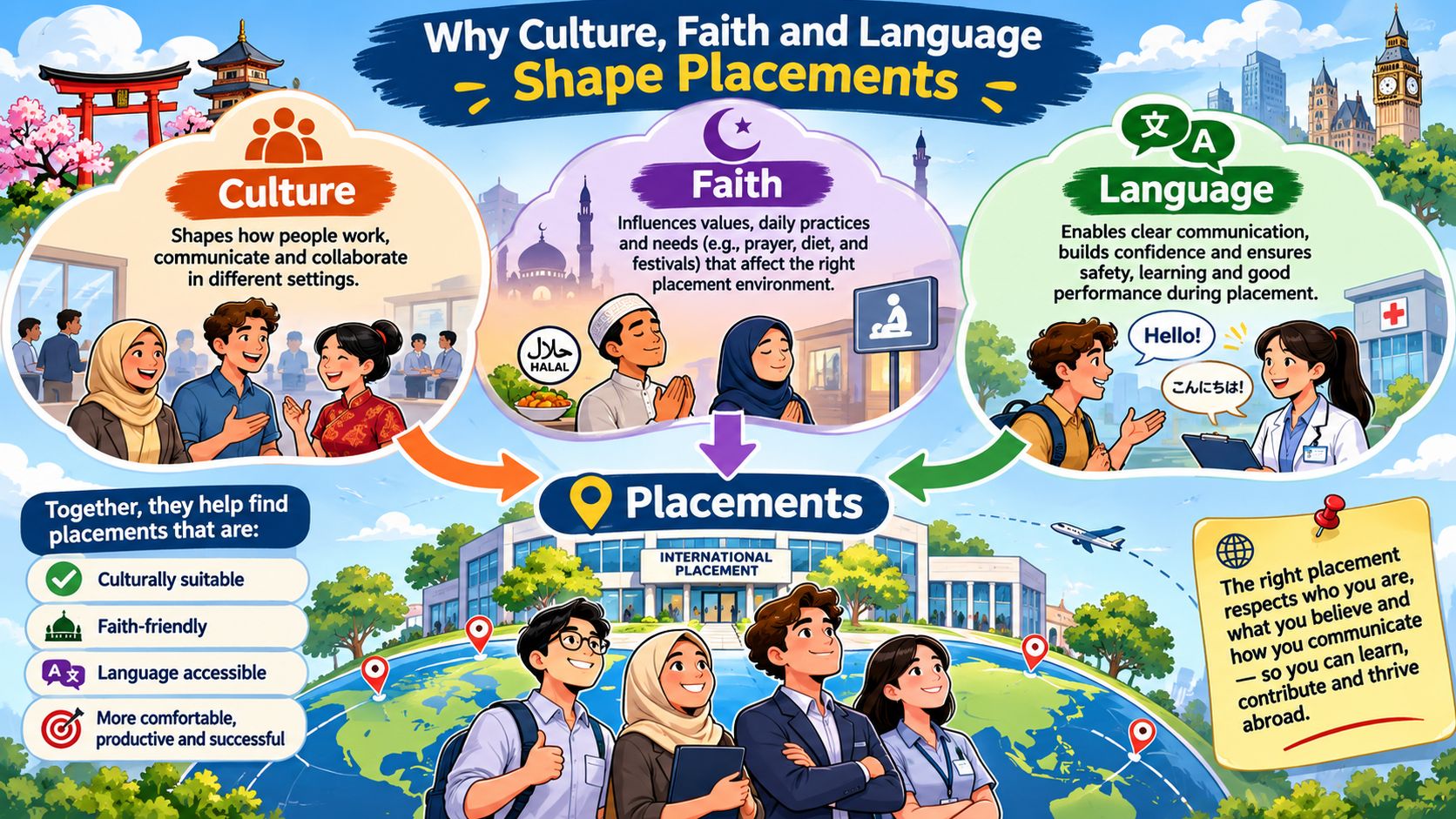
A child's culture, faith and language shape their daily life: the words spoken at home, the food on the table, the festivals that mark the year. Assessment should establish what these mean to that particular child rather than infer their preferences from a name, ethnicity or family background.
That means asking about home language, religious observance, festivals, food, dress and community ties. It also means identifying trusted adults who understand the child's experiences and allowing room for the child's wishes to differ from family expectations.
Understanding identity without making assumptions
The government-commissioned study on foster-care matching found that decisions were more often influenced by carers' availability, location, skills and experience than religion, ethnicity or cultural identity, while explaining that statutory guidance under the Children Act 1989 requires full attention to gender, faith, ethnic origin, culture, language, sexual orientation and disability.
That framework calls for informed, individualised decisions and carers who are prepared to respond to identity-related needs. Sharing an identity between child and carer is not an absolute requirement.
Identity sits alongside the other factors professionals weigh. Even where a carer shares parts of a child's background, the child's own preferences and the household's ability to respect them still need to be established directly.
What should be recorded early
Organic Fostering considers culture, faith, language, relationships and identity alongside a child's individual needs when exploring a match. A useful early record should distinguish:
- The child's priorities: The language, practices, relationships and everyday choices that matter to them.
- Family perspectives: Important traditions and expectations, recorded separately from the child's views.
- Carer preparation: What the household already understands and what requires learning or practical help.
- Named support: Who can help sustain language, religious practice or community connections.
Guidance on Muslim foster care offers a related starting point for understanding faith considerations. Whatever the child's background, the record should reflect their own practice and wishes, gathered through conversation rather than assumed from a label.
Keeping Brothers and Sisters Together
Sibling groups need a placement plan that protects each child's welfare and keeps relationships workable. Brothers and sisters may share history, language, routines and family ties, while also needing individual attention. A good match considers the group together and each child separately, because one child's needs can change what works for everyone.
The Children's Commissioner's analysis of siblings in care estimated that 37% of children in care were separated from their siblings at their initial placement, and found that children in larger sibling groups were much less likely to be placed together. That makes the decision practical as well as emotional. Professionals need to ask what help a household would need to care for the group safely, and what would happen if that help did not hold.
Sibling placement options and the checks each needs
| Option | When it may fit | Key checks |
|---|---|---|
| Joint placement in one household | Relationships, care needs and support around the household are workable | Transport, school arrangements and practical help with daily routines |
| Separate households with planned contact | Individual needs or welfare make joint care unsuitable | Contact plan, travel arrangements and review triggers |
| Separate households close together | Keeps school, family and sibling contact practical | Location, shared routines and support around contact |
| Contingency review | Joint care stops being safe or household demands exceed support | Clear review triggers and a planned change, with the adults knowing who acts |
An Oxford review of evidence from England reports that sibling groups placed together generally experienced greater placement stability and were at least no less stable than separated groups. This supports serious consideration of joint care. It also leaves room for professional judgement where a relationship is unsafe, a child's needs differ sharply, or the household lacks the required support.
Think of the assessment like fitting several pieces into one daily routine. School journeys, appointments, privacy, sleep, meals and time with adults all have to work on an ordinary Tuesday, not only on paper. The question for each child is what they need to feel safe and make progress. The question for the carers is what they can sustain with the help available.
Keeping siblings together is a welfare decision shaped by relationships, needs and support.
Making contact arrangements workable
Where joint care is not possible, the contact plan should name who organises meetings, who provides transport and how carers prepare children before and afterwards. A general promise to maintain contact leaves too much unresolved. Children can read inconsistency as rejection, even when adults intend well.
Separate homes close together may make contact easier, but distance is only one part of the picture. Professionals should also agree how difficulties will be raised, how carers will share information and when arrangements need review. The purpose of the plan is to protect the relationship while responding to each child's changing needs.
Guidance on siblings in foster care can help readers understand why brothers and sisters may be placed together or apart. Each child's welfare determines whether a joint placement remains appropriate.
Balancing Identity With Location, Schools and Capacity
A culturally similar household far away may disrupt school and family contact. A nearby household may preserve those connections but need deliberate arrangements to maintain language, faith and community ties. Matching works like weighing two bags on a scale. Adding one strong factor does not cancel the need to check what sits on the other side.
The government evidence review on fostering identifies contact requirements, educational continuity, disability-related needs, household composition, bedroom space and sibling relationships alongside cultural and religious considerations, while noting limited evidence on the effects of matching by ethnicity, race and religion.
Those characteristics inform an individual assessment and shape the questions professionals ask before a placement is proposed. Where school continuity is particularly important, a nearby household with planned community connections may be stronger, provided other essential needs can be met. A short journey can protect attendance and reduce disruption to the school day. A much longer journey can affect mornings, after-school routines, appointments and contact, even when the household meets many identity-related needs.
A plan needs to go beyond saying that a carer is willing. If a child needs accessible transport, adults should establish how journeys will happen. If a language connection matters, they should identify who will maintain it and how that fits into ordinary life. Faith, culture and identity should appear in the everyday care plan, not remain as broad labels.
Decision record: State the need, the available options, the compromise accepted and the action intended to reduce its impact.
Questions that expose practical gaps
For adolescents, education, friendships and increasing independence deserve specific attention. The information about teenagers in foster care offers useful context for those conversations.
Travel and local arrangements need careful explanation. The area where Organic Fostering recruits foster carers and the area children are placed from aren't always the same, so an enquiry should establish where referrals may originate and what travel could involve. A carer should understand whether the distance affects school runs, contact, appointments or access to community and faith links.
A prospective or transferring carer can keep the questions in this part practical and local:
- Travel effect: What journeys would the placement require in a normal week?
- School protection: How would the plan protect attendance and routines?
- Identity in daily care: How would language, faith, culture and community links be maintained?
- Capacity: How would the household manage those commitments alongside existing family life?
A sound record should show both the identity needs and why practical factors were accepted, reduced or prioritised. That gives everyone a clearer basis for checking whether the arrangements remain suitable.
Who Decides a Match and How It Is Reviewed
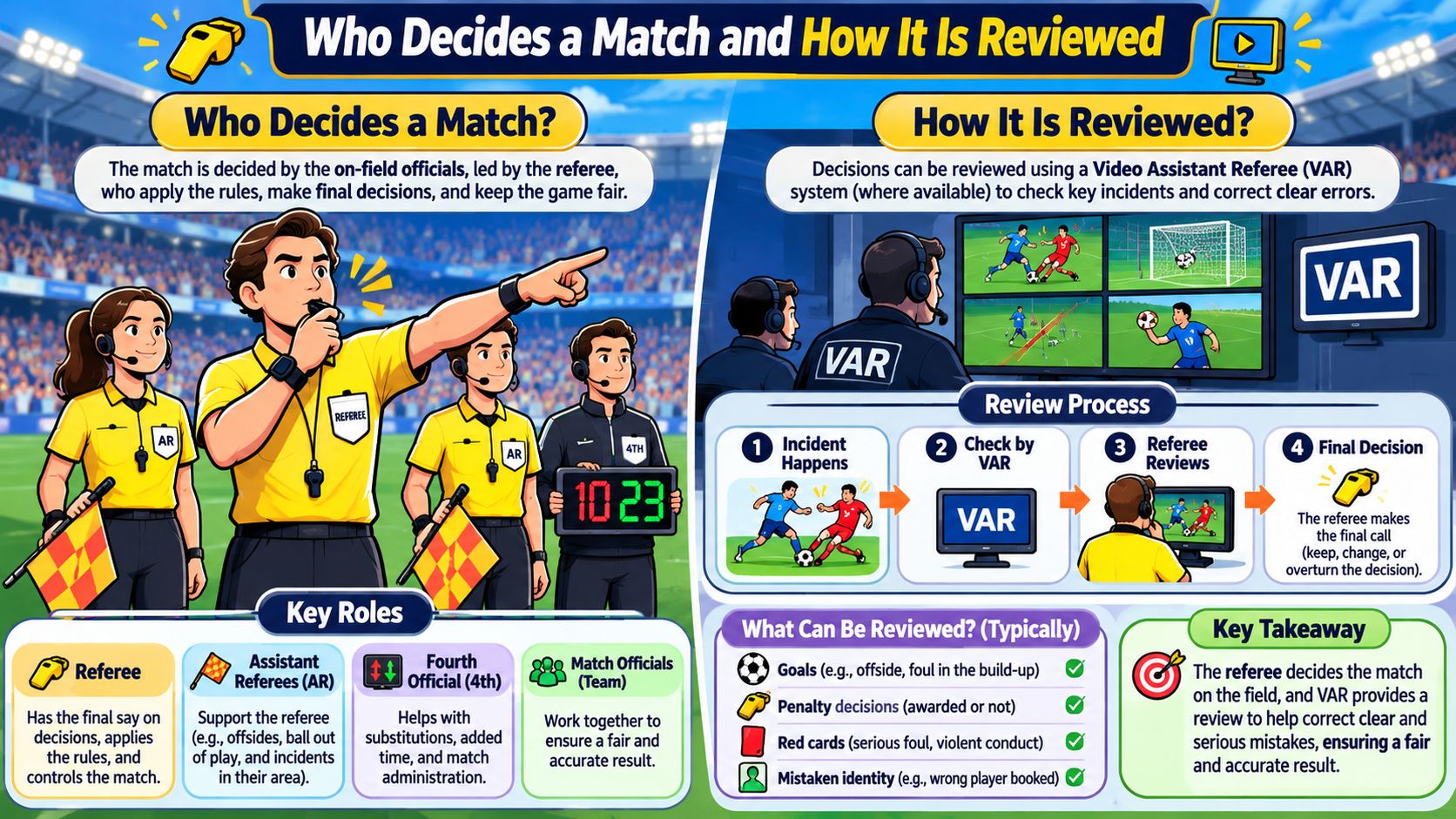
No single person chooses a foster placement alone. Approval and matching decisions require formal assessment and professional decision-making, with the placing local authority and the fostering service establishing how their responsibilities fit together. The foster carer contributes accurate information about the household's capabilities and limits, and a good match is treated as a shared professional decision rather than the first available bed.
A carer's part in that decision includes asking what information informed a referral and raising concerns before accepting a proposed placement.
Similarity isn't a stability guarantee
The official stability measures for children looked after in England report that 10% of looked-after children experienced high placement instability in 2025, defined as three or more placements during the year, with the figure 9% among children whose first placement was foster care.
Those figures describe placement patterns, not a formula for selecting a household. They don't establish that ethnic or cultural matching alone prevents disruption.
A highly similar household may still struggle when expectations, relationships or support capacity are misaligned. A less obvious pairing may work when adults actively maintain cultural continuity through language, community and trusted relationships. Public placement statistics rarely explain how professionals weigh food, faith, race, language, trauma history, contact and the child's preferences when these conflict, so a transparent explanation of the particular decision is more useful than a broad claim of compatibility.
What a review should establish
A review's job is to test whether the reasoning behind a match still holds. Responsibility for deciding what counts as suitable should be named, with the reasons recorded. The child's wishes should be captured in writing, including any disagreement or difficulty expressing a preference. Where needs conflict, such as a culturally similar household being unable to meet a teenager's education or disability requirements, the record should show which compromise was accepted and why. The review should also set out what change in circumstances would trigger additional support or a fresh look at the arrangement.
The explanation of foster-care social workers helps clarify who carries each of these roles. At Organic Fostering, supervision follows a regular agreed pattern, with additional contact based on need. A carer can use those scheduled contacts, and the space between them, to raise concerns as circumstances shift.
Confirm Your Next Step With an Enquiry
England's statutory guidance on assessing and approving foster carers provides the framework for structured assessment. Approval and matching decisions require formal assessment and professional decision-making. That includes checks, references, preparation and approval, with each stage considered against the child's needs and the carer's capacity.
For an initial area check with Organic Fostering, a full address isn't required. The first part of the postcode, such as M16, is enough for an initial check. If a postcode is near the edge of the current recruitment area or needs manual review, a team member confirms whether support is available.
The route from enquiry to approval
- Make an enquiry. Use the enquiry page to begin the conversation.
- Have an initial conversation. After the postcode check, the team confirms the location and asks a few basic questions about the household, availability and reasons for considering fostering. The eligibility discussion covers the spare room, household, availability and reasons for considering fostering.
- Explore an initial visit. If the location and initial requirements appear suitable, Organic Fostering may arrange an initial visit. After the conversation, the team also checks whether it can provide assessment and continuing support.
- Proceed to application, training and assessment. If an enquirer proceeds, separate application, assessment, approval and agreement processes apply. The assessment step involves working with an assessing social worker through checks, references and conversations. Training and assessment can overlap.
- Reach panel and approval. Panel and approval follow the assessment process. An encouraging first conversation starts the exploration; approval comes through the required processes.
The order and timescales should be confirmed against the provider's current policy. Organic Fostering explains likely timescales for each applicant's circumstances rather than treating every household as identical. Checks normally include enhanced DBS checks for applicants and adult household members, local authority checks, medical information, personal and professional references, and home safety.
Preparing for a useful conversation
Household details, work commitments, availability and practical limits help make the discussion specific. Applicants may be single or in a relationship, rent or own their home, have children or not, and work or be retired, subject to assessment and the current service area. Applicants may come from any faith, culture, ethnicity, gender or sexual orientation. Marital status, gender and sexual orientation do not prevent someone from fostering, and couples are assessed together.
An applicant doesn't need to claim readiness for every child or placement type. Clear boundaries give assessors more useful information than unrestricted willingness, because matching considers a child's needs, care plan, identity, location and relationships alongside a carer's skills, experience, household, approval and availability.
Experienced carers considering a transfer should bring questions about how their experience would inform assessment and future referrals. Organic Fostering requires transferring carers to complete its own assessment and approval process. Existing reports, training and experience may inform that work.
A household ready to discuss its circumstances can make a fostering enquiry and ask how matching would be approached in practice. Ask how culture, faith, language, relationships and identity sit alongside the child's individual needs, and how the service weighs those factors against the carer's approval, household, experience and ability to provide safe care.
Organic Fostering offers prospective carers an initial conversation about their household, location and the assessment route, including how placement matching considers needs and practical capacity. Adults considering fostering, or experienced carers exploring a transfer, can visit Organic Fostering to begin a discussion about what their household can realistically offer.